


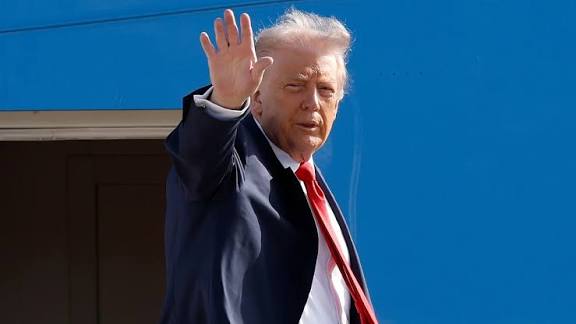
Oil prices fell late on Wednesday after US President Donald Trump said he had no plans to carry out a military strike on Tehran. His comments reduced fears of a wider conflict in the Middle East, which had earlier pushed oil prices higher.
Brent crude futures dropped by nearly 4 percent, falling to around $64 per barrel. The decline came after Trump suggested that tensions involving Iran were easing.
This fall followed a strong rally in oil markets, where prices had jumped about 11 percent over the previous five trading sessions due to growing concerns about regional instability.
Earlier on Wednesday, oil prices had closed at their highest level in nearly three months. The rise was driven by fears that the United States might take military action against Iran, which could disrupt oil supplies from the region.
Investors were closely watching developments, as any conflict involving Iran often raises concerns about global energy security.
However, market sentiment changed after Trump’s remarks signaled that immediate military action was unlikely. With no fresh escalation reported, traders began to pull back, leading to a sharp drop in prices by the end of the day.
Energy analysts said the biggest threat to oil markets would have been any attempt to block the Strait of Hormuz.
This narrow waterway is one of the world’s most important shipping routes, carrying a large share of global oil exports. Any disruption there could cause a major spike in oil prices and impact economies worldwide.
For now, the easing of tensions has brought some relief to the oil market. Still, experts warn that prices could remain volatile, as the situation in the Middle East can change quickly and continue to influence global energy markets.

