


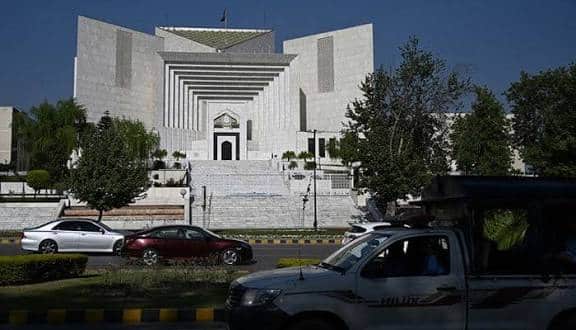
The Supreme Court of Pakistan has ruled that pension is a legal and constitutional right of government employees and cannot be treated as a favour, charity, or concession. The court made it clear that pension cannot be denied simply because an employee resigned or applied late.
The ruling was given by a three-member bench while hearing the case of Muhammad Usman vs Federation of Pakistan. The bench overturned a 2024 decision of the Federal Service Tribunal, which had earlier rejected Usman’s pension claim.
Muhammad Usman had served as a Senior Auditor and completed more than 20 years of service. According to the amended law, completing this period makes an employee eligible for pension. The Supreme Court held that Usman fully met the legal requirements and was entitled to receive his pension.
In its judgment, the court clarified that the right to pension becomes valid once an employee retires or resigns after completing the required service period. This right does not disappear due to delays in submitting an application or due to misunderstandings of service rules by authorities.
The court further stated that pension cases are not affected by limitation laws. Even if an employee approaches the authorities or courts after a long delay, their right to pension remains protected under the Constitution and law.
The Supreme Court emphasized that pension is linked to past service rendered by an employee and is meant to provide financial security after retirement. Denying this right goes against both legal principles and social justice.
This landmark decision is expected to benefit many retired and resigned government employees by strengthening pension protections and preventing unjust denial of retirement benefits in the future.

