


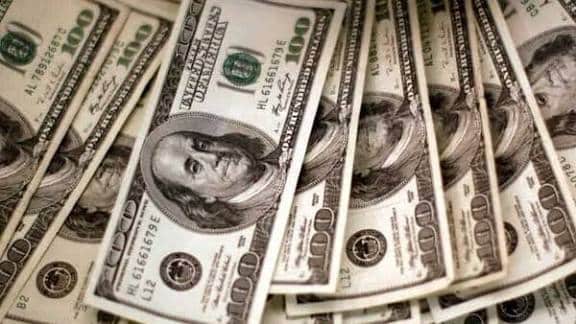
A quiet but important change is taking place in the global financial system as BRICS countries, including India and China, slowly reduce their dependence on the US dollar.
For many years, the dollar has been the main currency used in international trade and held as a reserve by countries around the world. However, several economic and political factors are now pushing nations to look for other options.
One major reason is the growing level of US debt, which has raised concerns about long-term financial stability.
In addition, frequent changes in US interest rates have created uncertainty for countries that rely heavily on dollar-based systems. Geopolitical tensions and the use of financial sanctions have also made some nations cautious about depending too much on a single currency.
As a result, both India and China have significantly reduced their holdings of US Treasury bonds. Instead, they are increasing trade using their own local currencies.
This allows them to lower risks linked to currency fluctuations and reduce exposure to dollar-related pressures. At the same time, interest in gold-backed trade and reserve mechanisms is growing, as gold is seen as a more stable and neutral asset.
BRICS countries are also discussing new digital currency frameworks to make cross-border payments easier and faster.
These systems could reduce transaction costs and limit the need for intermediaries that rely on the dollar. While the US dollar remains dominant for now, these gradual steps show a clear move toward a more diversified and balanced global financial system.

