


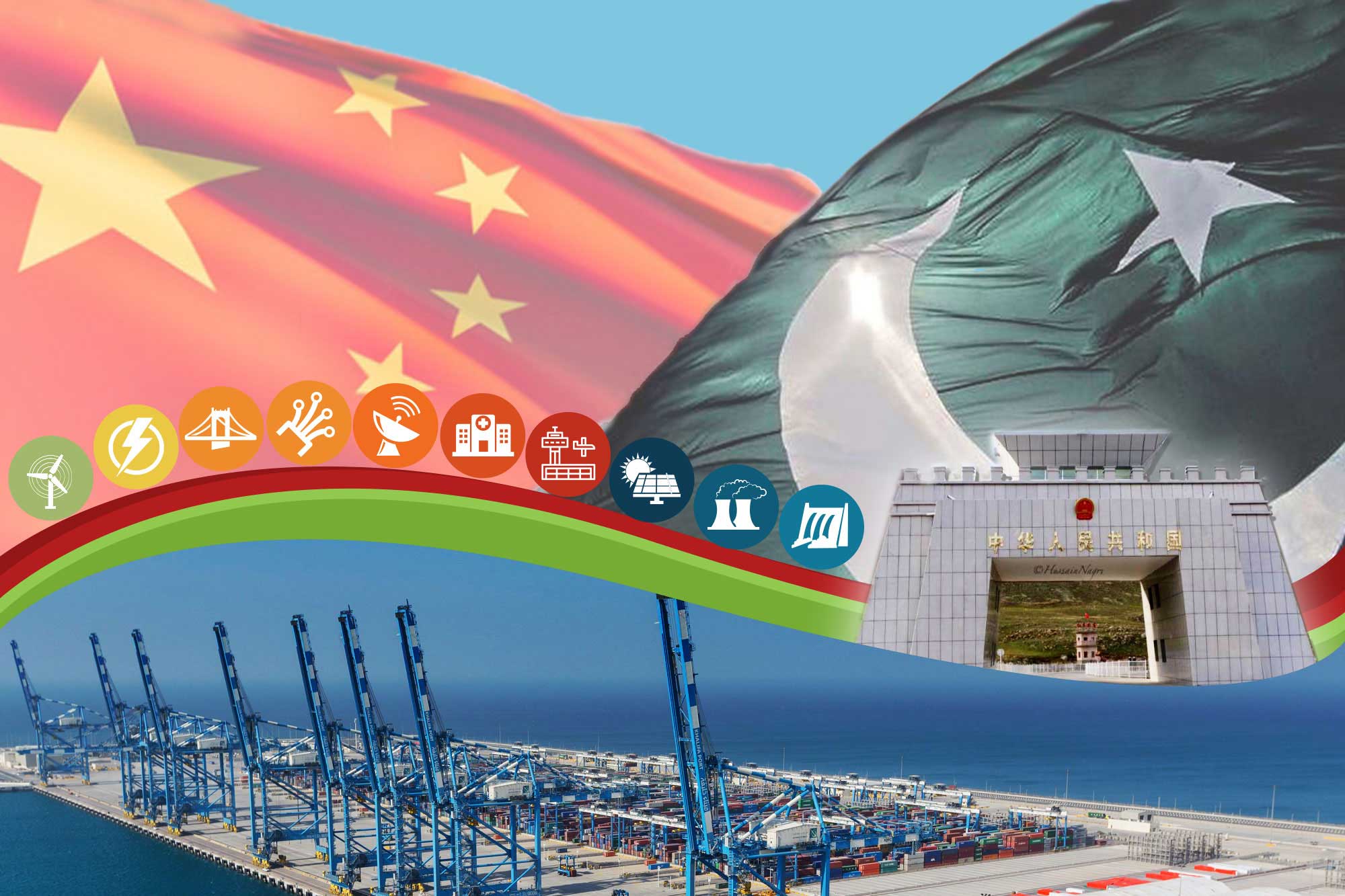
Pakistan and China are working together to expand the China-Pakistan Economic Corridor (CPEC) into Afghanistan, according to officials who briefed a Senate committee. The countries also plan to restart the Pakistan-China-Afghanistan trilateral cooperation framework that had been inactive.
CPEC is a major infrastructure and development project connecting China’s western regions to Pakistan’s Gwadar Port through highways, railways, and energy projects. Launched in 2015 as part of China’s Belt and Road Initiative, it has already brought billions of dollars in investment to Pakistan.
Extending CPEC to Afghanistan could provide significant benefits for all three countries. Afghanistan would gain access to improved roads, trade routes, and potential investment in its struggling economy. For Pakistan, the expansion offers opportunities to strengthen regional trade ties and position itself as a transit hub connecting Central Asia to Arabian Sea ports.
China sees Afghanistan as an important link in its broader connectivity plans across Asia. The country shares a small border with Afghanistan and has expressed interest in developing trade and infrastructure ties, though security concerns have slowed progress.
The trilateral framework between Pakistan, China, and Afghanistan previously existed but became less active in recent years due to political instability in Afghanistan. Reviving this cooperation platform could help address shared challenges like security, trade barriers, and infrastructure gaps.
However, significant challenges remain. Afghanistan’s current economic difficulties, security situation, and international isolation could complicate implementation. Success will depend on careful planning, sustained political commitment from all three nations, and ensuring projects benefit local populations while maintaining regional stability.

