


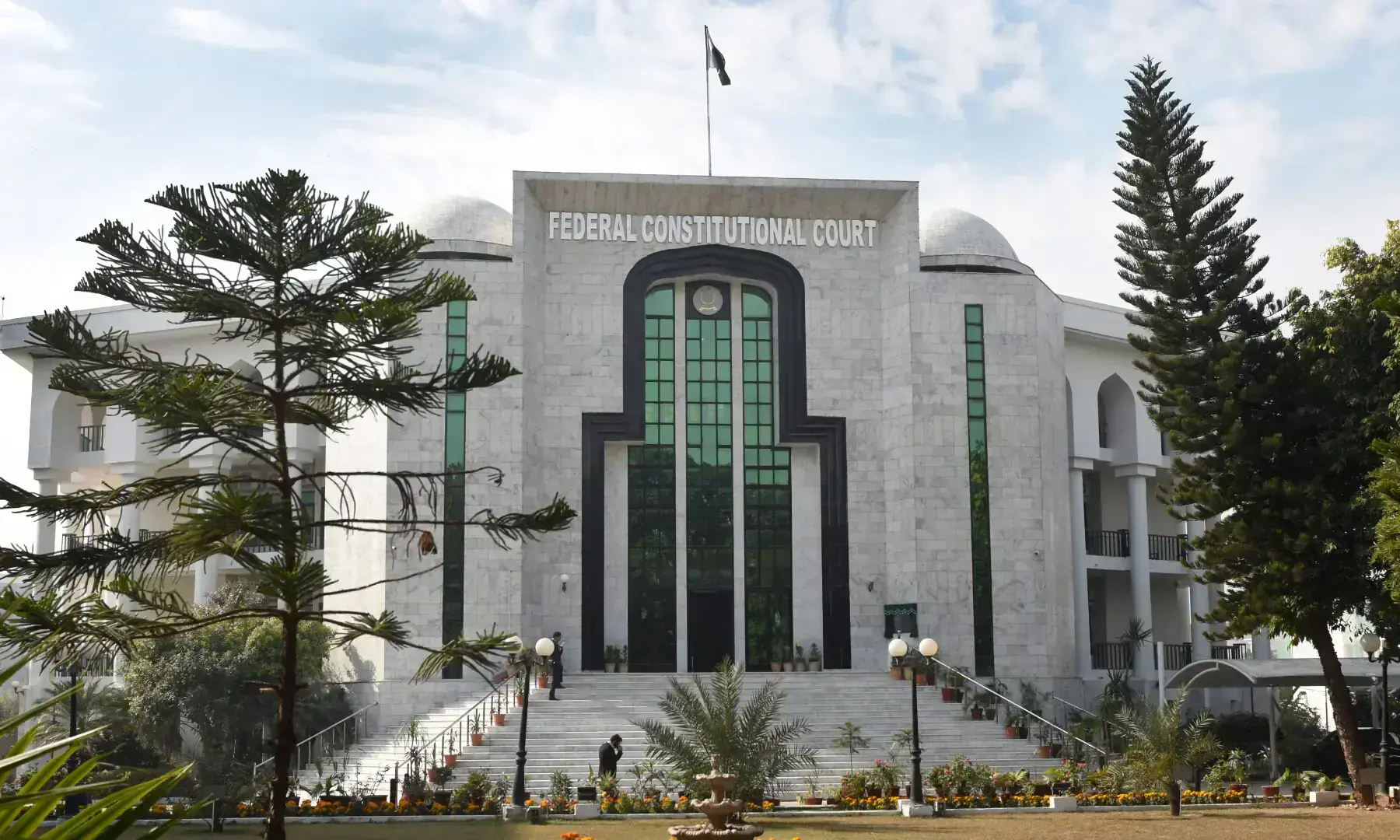
On February 27, 2026, Pakistan’s Federal Constitutional Court (FCC) ruled that tax authorities can conduct raids under Section 175 of the Income Tax Ordinance, 2001, even without prior notice or an ongoing legal case.
The decision gives officials broader powers to inspect homes, offices, and business premises when they suspect tax violations.
The ruling came after a petition filed by M/s Sceptre Pvt Ltd challenged a raid carried out in December 2025. A three-member bench led by Justice Aamer Farooq dismissed the petition, upholding a previous Sindh High Court decision.
The court stated that the term “enforcement” in the law allows authorities to act when there is a potential breach, giving them authority to inspect documents, records, and digital data at any time.
According to the court, clear legislative wording cannot be reinterpreted to restrict the powers granted by Parliament. The judgment emphasizes that the government has the legal right to take immediate action to prevent tax evasion.
Experts say the ruling will make it easier for tax authorities to track unreported income and enforce compliance. However, it has also raised concerns among citizens and businesses about privacy and potential misuse of power.
Legal analysts advise taxpayers to maintain proper records and cooperate with officials to avoid complications.
This landmark decision strengthens tax enforcement tools but may prompt discussions about balancing regulatory powers with individual rights and safeguards against arbitrary inspections.
Citizens are advised to stay informed and seek legal guidance if faced with an unannounced raid.

