


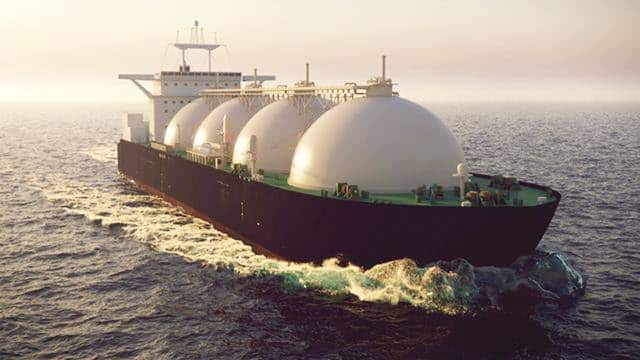
Pakistan is preparing for higher electricity bills and possible load shedding as the country faces an energy shortage caused by a decline in LNG supply. Officials have warned that reduced gas imports are putting pressure on power generation, which may affect both industries and households.
Due to the limited availability of gas, power plants are unable to operate at full capacity. This situation can lead to electricity shortages, especially during peak demand hours. As a result, consumers may experience more frequent power outages and increased electricity costs in the coming days.
Authorities are advising citizens to use electricity carefully and avoid unnecessary consumption. Energy-saving practices, such as turning off unused appliances and reducing peak-time usage, can help ease the pressure on the system.
At the same time, the government is working on alternative solutions to manage the crisis. Officials are exploring other energy sources, including renewable options, to reduce reliance on imported fuel and improve long-term stability.
The current situation highlights Pakistan’s ongoing energy challenges, particularly its dependence on imported LNG and the need for better infrastructure and fuel management. Experts believe that improving local energy production and diversifying energy sources can help prevent similar issues in the future.
Power distribution companies are also preparing contingency plans to reduce the impact of shortages. These plans aim to manage load shedding schedules and ensure that essential services continue without major disruptions.

