


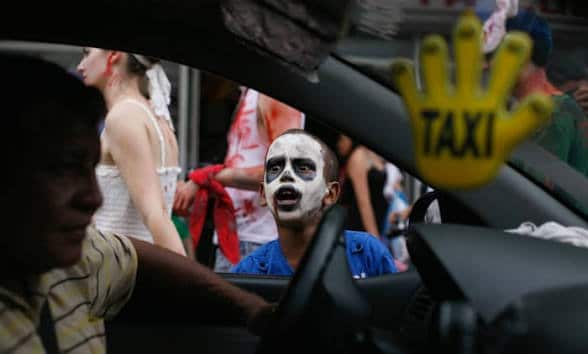
Back in 2016, reports emerged from China about a strange and unsettling scam linked to the ride-hailing platform Uber. Some drivers were allegedly using eerie, disturbing, or “haunted-looking” profile photos to deliberately make passengers feel uneasy after booking a ride.
This unusual tactic, which came to be informally known as the “ghost drivers” scam, relied on psychological discomfort. When riders saw these unsettling profile images, many chose to cancel their trips out of fear or unease. According to reports, once a ride was canceled, drivers could still collect cancellation fees, allowing them to profit from the situation without actually completing any service.
The incident raised serious concerns about how ride-hailing platforms could be misused, particularly when it comes to user trust and safety. It also highlighted gaps in profile verification and monitoring systems, emphasizing the need for stricter regulations, better identity checks, and improved safeguards to prevent such deceptive practices in the future.
Overall, the episode served as a reminder that even innovative digital platforms can be vulnerable to manipulation if proper controls and user protection measures are not consistently enforced.

