


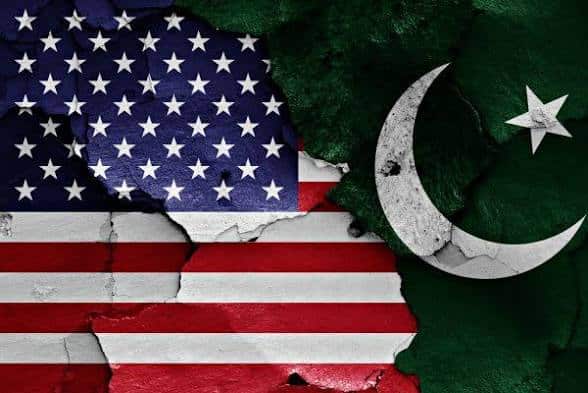
Following the reported peace developments between the United States and Iran, several Indian journalists and defence analysts have pointed to changing political and strategic dynamics in the region.
Indian defence analyst Praveen Sinha said that the current situation suggests the United States may now need Pakistan’s support and cooperation more than Pakistan needs the United States.
His comments reflect what some observers see as a shift in regional geopolitical priorities and partnerships.
A number of Indian media commentators have also noted Pakistan’s increasing diplomatic importance under the leadership of Field Marshal Asim Munir and Prime Minister Shehbaz Sharif. According to these analysts, Pakistan is playing a more active role in regional affairs and international discussions.
They highlighted Pakistan’s growing engagement with key countries, including China, Saudi Arabia, and Türkiye. These relationships are seen as strengthening Pakistan’s position in the region and expanding its influence on important diplomatic and strategic matters.
Some commentators described Pakistan as an emerging bridge between different countries in West Asia, helping promote communication, cooperation, and dialogue.
They believe Pakistan’s connections with major regional powers could allow it to contribute positively to efforts aimed at maintaining stability and reducing tensions.
The discussion also reflects broader changes taking place in international relations, where countries are increasingly working together to address shared challenges through diplomacy and cooperation.
Observers believe Pakistan’s active diplomatic engagement has improved its visibility on the global stage and enhanced its role in regional conversations. As geopolitical developments continue to evolve, many analysts expect Pakistan to remain an important participant in dialogue and peace-building efforts.
These views highlight the growing attention being given to Pakistan’s diplomatic outreach and its role in shaping regional cooperation and stability.

