


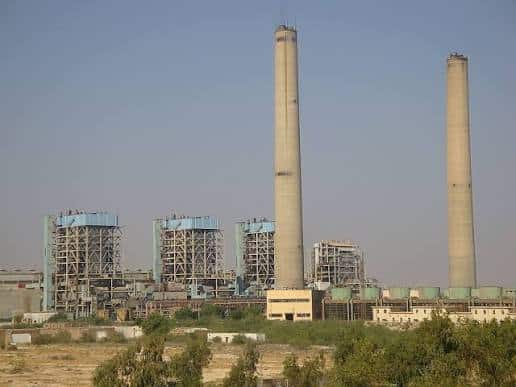
Pakistan could potentially save more than $3.2 billion over the next 26 years by converting the 660-megawatt Jamshoro Unit-01 power plant from imported coal to locally available Thar lignite, according to officials and energy experts. The move is being seen as a major step toward reducing the country’s dependence on costly fuel imports and improving long-term energy sustainability.
A detailed feasibility study conducted by the Dornier Group and EY-Parthenon concluded that the conversion is both technically possible and economically advantageous. The report highlighted that shifting to Thar coal would significantly cut import bills, conserve valuable foreign exchange reserves, and strengthen Pakistan’s energy security by relying on domestic resources.
Officials believe the project will not only reduce the burden of imported energy costs but also provide a major boost to coal mining activities and infrastructure development in Tharparkar. Increased utilization of Thar lignite is expected to create economic opportunities in the region, generate employment, and support the growth of local industries linked to energy production.
The planned transition aligns with Pakistan’s broader strategy to maximize indigenous energy resources and minimize exposure to global fuel price fluctuations. Experts say the conversion of Jamshoro Unit-01 could serve as a model for future energy projects, helping the country achieve greater fiscal stability, a stronger domestic supply chain, and a more reliable power generation system in the years ahead.

