


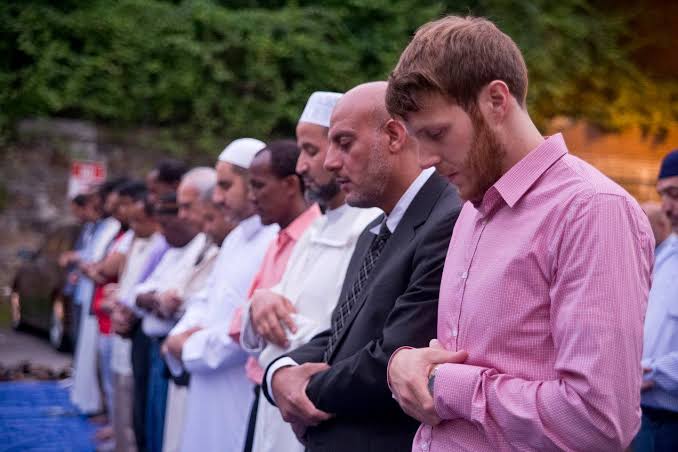
Denmark is considering a proposal that could restrict or ban public broadcasts of the Islamic call to prayer, known as the Adhan, across the country. The proposal has sparked debate among politicians, religious groups, and civil rights advocates.
According to reports, some government officials argue that public broadcasts of the Adhan should not be heard in public spaces. Denmark’s immigration minister reportedly stated that such sounds do not fit within the country’s public environment, a comment that has generated significant discussion.
Supporters of the proposal say the measure is linked to broader policies concerning integration and public space regulations. They argue that authorities should have clear rules regarding the use of loudspeakers and public religious broadcasts.
However, critics have raised concerns about the possible impact on religious freedom. Legal experts, community leaders, and human rights advocates argue that any restriction on religious practices must be carefully reviewed to ensure it does not conflict with constitutional protections and fundamental rights.
The debate comes amid wider discussions across Europe regarding immigration, cultural identity, and the role of religion in public life. Several European countries have introduced different regulations concerning religious symbols, practices, and public expressions of faith in recent years.
A nationwide legal review is expected to examine whether such a ban would be legally possible under Danish law. Authorities will reportedly assess constitutional protections, existing regulations, and the potential implications for religious communities.
The proposal has attracted attention both within Denmark and internationally, with supporters and opponents expressing differing views on the issue. As discussions continue, the outcome of the legal review is expected to play a key role in determining whether any changes to current regulations will move forward.
The debate highlights the ongoing challenge of balancing public policy considerations with the protection of religious freedoms and individual rights in modern democratic societies.

