


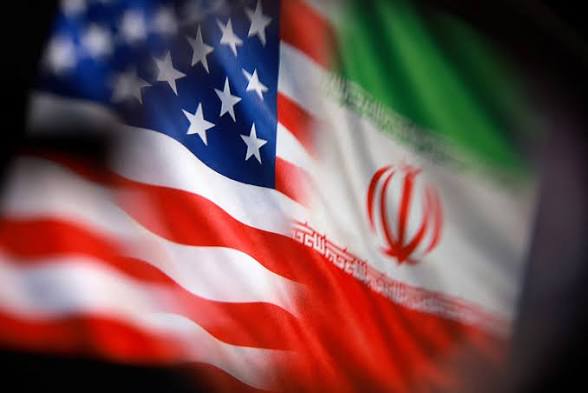
The United States has reimposed sanctions on Iran’s oil trade as part of its efforts to increase economic pressure on Tehran. The new measures are aimed at limiting Iran’s ability to sell crude oil in international markets and reducing its access to global energy trade.
According to officials, the sanctions are part of Washington’s broader strategy to influence Iran’s economic activities and increase pressure on the country. The restrictions are expected to affect Iran’s oil exports, which are an important source of revenue for its economy.
Experts say the renewed sanctions could also have wider effects on international trade and global energy markets. Changes in oil exports from major producing countries can influence supply, prices, and trade flows, making the situation important for businesses and governments around the world.
Iran has previously criticized similar sanctions, describing them as unfair and harmful to its economy. Iranian officials have repeatedly stated that such measures create economic difficulties and affect the country’s trade and development. They have also called for the removal of sanctions through diplomatic efforts.
The latest development comes at a time of increasing tensions between the United States and Iran. Relations between the two countries have remained strained over several political, economic, and security issues in recent years. The new sanctions are expected to remain a key topic in future diplomatic discussions.
Analysts say the situation will continue to be closely watched because it may influence regional stability, international trade, and global energy security.
Governments and energy markets are monitoring the developments to understand their possible economic impact. As the situation evolves, further announcements from both countries could shape future relations and affect global oil markets in the months ahead.

