


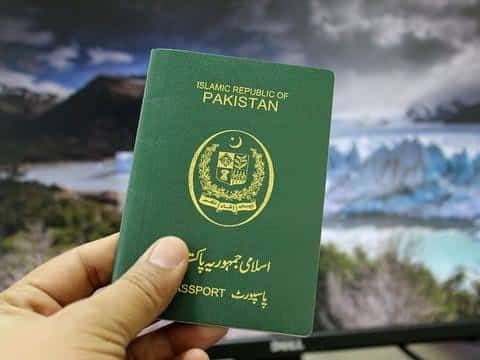
Pakistan’s passport has retained its 100th position in the latest Henley Passport Index (July 2026), allowing Pakistani citizens visa-free, visa-on-arrival (VOA), or electronic travel authorisation (ETA) access to 30 destinations worldwide. The ranking reflects the country’s current level of global travel mobility and comes during the peak summer travel season.
Although Pakistan had climbed to 97th place in February 2026, the latest update shows the passport has slipped back to 100th position after fluctuations earlier in the year.
Access to 30 International Destinations
According to the latest index, Pakistani passport holders can travel to 30 countries and territories without obtaining a traditional visa before departure. These destinations are spread across Asia, Africa, the Caribbean, and the Pacific, with entry permitted through visa-free arrangements, visa-on-arrival facilities, or electronic travel authorisation systems.
Among the destinations available to Pakistani travellers are Maldives, Nepal, Sri Lanka, Kenya, Rwanda, Seychelles, Barbados, Dominica, Haiti, Vanuatu, and Trinidad and Tobago, along with several other countries offering simplified entry procedures.
These travel options provide greater convenience for tourists, business travellers, and families planning international trips, particularly during the busy holiday season.
Passport Ranking Fluctuated Throughout 2026
Pakistan’s position in the Henley Passport Index has changed several times over the past year due to evolving visa agreements and international travel policies.
The country was ranked 103rd globally in 2025, with access to approximately 31 destinations. It improved to 98th place in January 2026, rose further to 97th in February with access to 32 destinations, before dropping back to 100th in May with access to 30 destinations. The July 2026 update has maintained the same ranking and travel access.
Rankings Influenced by Global Visa Policies
The Henley Passport Index is based on exclusive data from the International Air Transport Association (IATA) and measures how many destinations passport holders can access without obtaining a visa before travel. Rankings can change throughout the year as countries revise visa policies, introduce new bilateral agreements, or alter entry requirements.
While Pakistan’s passport continues to face mobility challenges compared to higher-ranked nations, the availability of visa-free, VOA, and ETA destinations still offers valuable travel opportunities for Pakistani citizens. Future improvements in diplomatic relations and visa agreements could further strengthen the country’s global passport ranking.

