


Many young Pakistanis struggle to land stable, well-paid jobs amid a severe national skills shortage: only 6% of our workforce holds formal vocational qualifications, while millions of fresh youth join the labor market yearly with little practical training, holding back the country’s industrial upgrades.
Pakistan-China technical and vocational education and training (TVET) cooperation is changing this reality. Take Ameer Hamza, who finished dual-diploma agri-tech training in China and now earns Rs140,000 monthly, well above the average graduate salary, at a local Chinese-partnered firm.
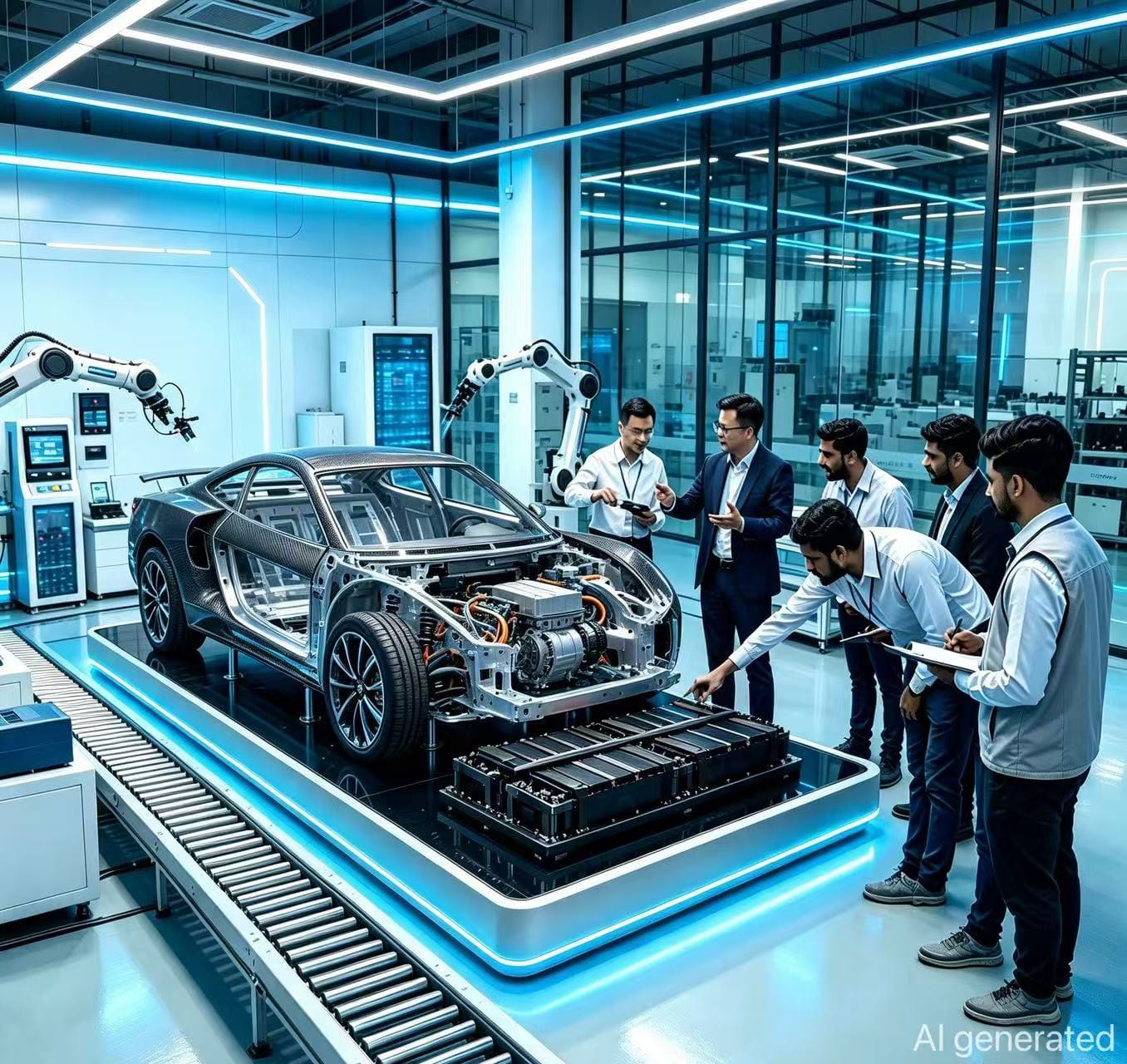
Pakistan is vigorously pushing to nurture local technical talent with Chinese support. A host of Chinese-backed vocational training centers now operate nationwide, covering new high-growth fields such as new energy vehicles, AI, live-stream commerce and modern farming. The robust Pakistan-China TVET ties reflect the alignment between URAAN Pakistan and CPEC 2.0.
Joint vocational standards and certification systems are being built to help Pakistan build its own modern TVET system and become a premier regional hub for skilled workforce training and export. Would you vote for it?

