


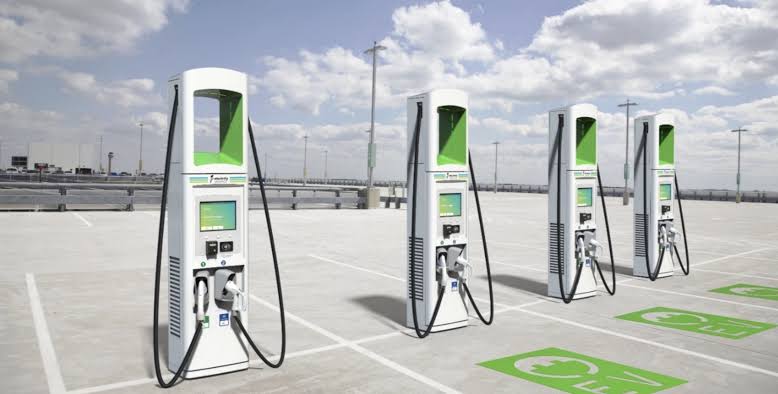
Pakistan is preparing to expand its electric vehicle infrastructure, with plans to establish around 3,000 public charging stations across the country by 2030 under the New Energy Vehicle Policy 2025–30.
The government is starting with a smaller network of fast-charging facilities aimed at making long-distance travel more practical for electric vehicle users. The first phase will include 40 fast-charging stations along motorways and selected sections of the National Highway. Charging points are planned at intervals of roughly 50 kilometres.
To increase coverage, authorities also plan to encourage existing fuel stations to install EV charging facilities. Private investors will be encouraged to participate through measures including special electricity tariffs and faster electricity connections.
The policy is also looking beyond electric cars. Battery-swapping facilities are planned for electric two- and three-wheelers, which could help users replace depleted batteries more quickly instead of waiting for conventional charging.
Another part of the government’s strategy focuses on the growing issue of used EV batteries. Authorities are working on a nationwide system for collecting, reusing and recycling batteries once they reach the end of their useful life.
The planned infrastructure expansion is intended to support the wider adoption of electric vehicles in Pakistan by improving access to charging and other essential services.
With thousands of charging stations targeted over the next several years, the government is seeking to build an ecosystem that involves both public and private investment. The combination of charging facilities, battery-swapping services and battery recycling could provide broader support for the country’s transition towards electric mobility.
The success of the plan will depend on the development of reliable infrastructure and participation from private businesses alongside government initiatives.

