


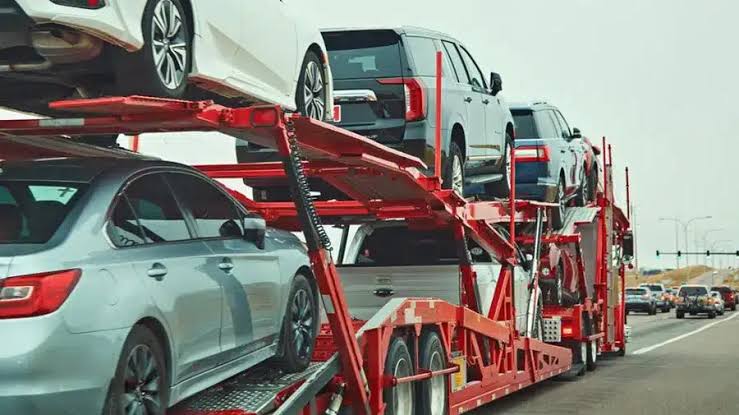
Pakistan is preparing to reshape its automotive industry through the proposed Automotive and Auto Parts Manufacturing Policy 2026–31, which aims to shift the sector from vehicle assembly towards export-focused manufacturing.
The draft policy sets a target of $6.01 billion in vehicle and auto parts exports over five years. It also proposes reducing tariffs on imported vehicles and assembly kits to as low as 15% by the fiscal year 2030–31.
Prime Minister Shehbaz Sharif approved the draft on October 20, while approval in principle from the federal cabinet is expected as the next step. The policy outlines a longer-term direction for the automotive sector, with greater attention to manufacturing capacity and international markets.
Moving beyond assembly could create opportunities for local companies to develop stronger production capabilities and supply components to overseas markets. However, the proposed tariff changes have raised concerns among domestic auto parts manufacturers.
Industry representatives have warned that lowering duties on imported parts without addressing the high costs faced by local producers could put domestic manufacturing under pressure. These costs can affect the ability of Pakistani manufacturers to compete with imported components.
The concerns highlight the challenge of balancing affordable imports with the growth of local industry. While lower tariffs may change the cost structure for vehicle manufacturers, local suppliers say they also need a more competitive environment to sustain production.
The proposed policy aims to make Pakistan’s automotive sector more export-oriented and strengthen its position in international markets. Its impact will depend on the final policy framework, the implementation of tariff changes and the support available to local manufacturers.
Federal cabinet consideration is the next expected stage before the draft can move forward. The final decisions could shape investment, local production and export opportunities across Pakistan’s automotive industry over the coming years.

