


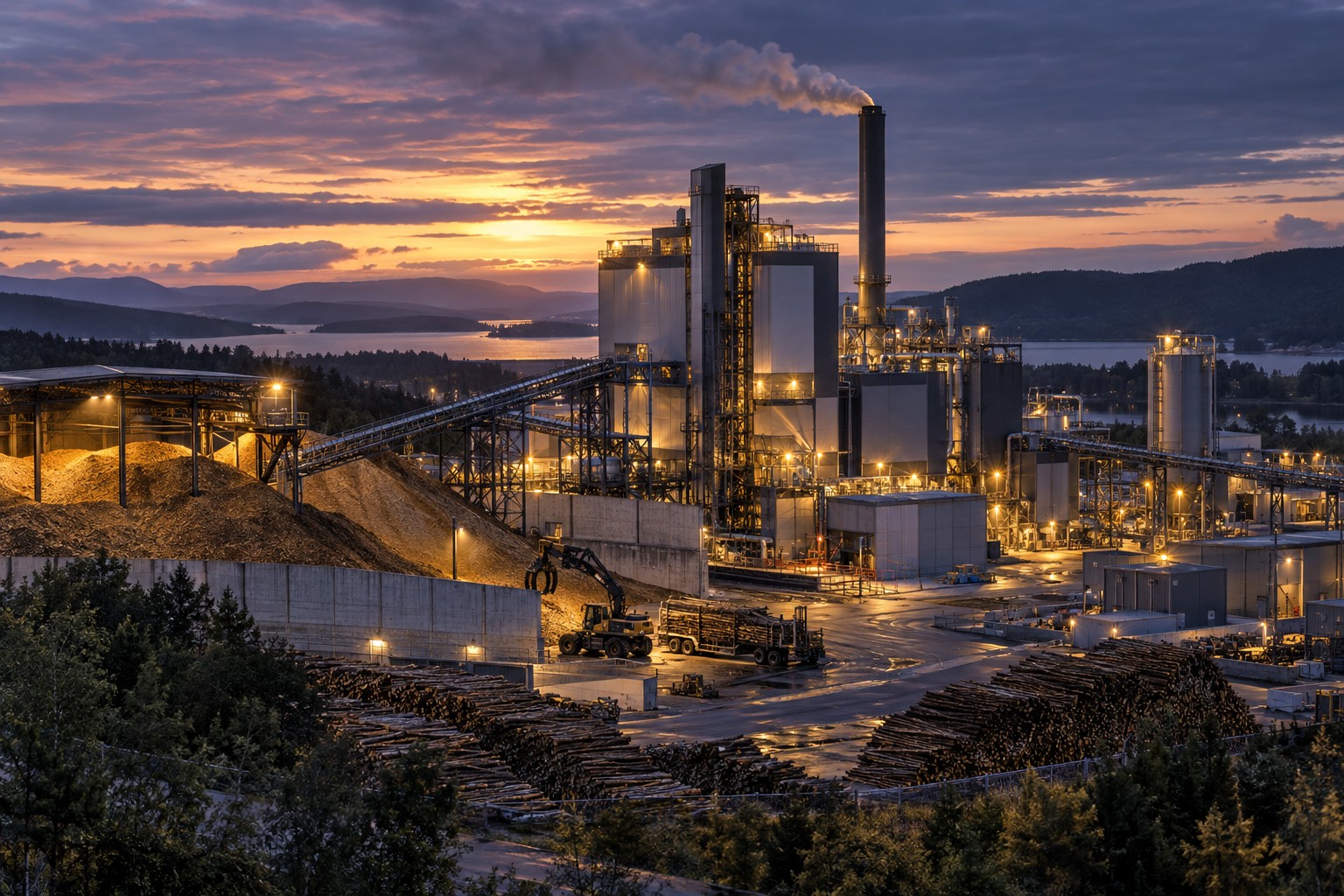
Pakistan’s first demonstration plant for biomass energy is now operating in Sajawal, Sindh, marking the launch of a facility intended to turn forest and agricultural residues into cleaner fuel. It forms part of a $3.5 million project focused on sustainable energy, rural livelihoods and lower greenhouse gas emissions.
First of four demonstration sites
The United Nations Development Programme (UNDP) and the Sindh government jointly inaugurated the plant in Pinnah Reserved Forest. It is the first of four demonstration sites planned through the Promotion and Application of Sustainable Biomass Energy Technologies in Pakistan project.
Funded by the Global Environment Facility, the five-year initiative is being implemented by UNDP with the Ministry of Climate Change and Environmental Coordination. Its work will extend across Sindh, Punjab, Balochistan and Khyber Pakhtunkhwa.
Cleaner fuel and rural livelihoods
According to UNDP, the Sajawal site will demonstrate the conversion of forest and farm residues into cleaner fuel. The project also identifies opportunities to support livelihoods through:
- Producing biomass pellets
- Establishing community nurseries
- Using efficient cookstoves
UNDP Resident Representative Dr Samuel Rizk said the initiative showed the potential to address rural energy needs while safeguarding forest resources. Alongside its energy objectives, the project seeks to encourage sustainable forest management and improve indigenous plantations.

