


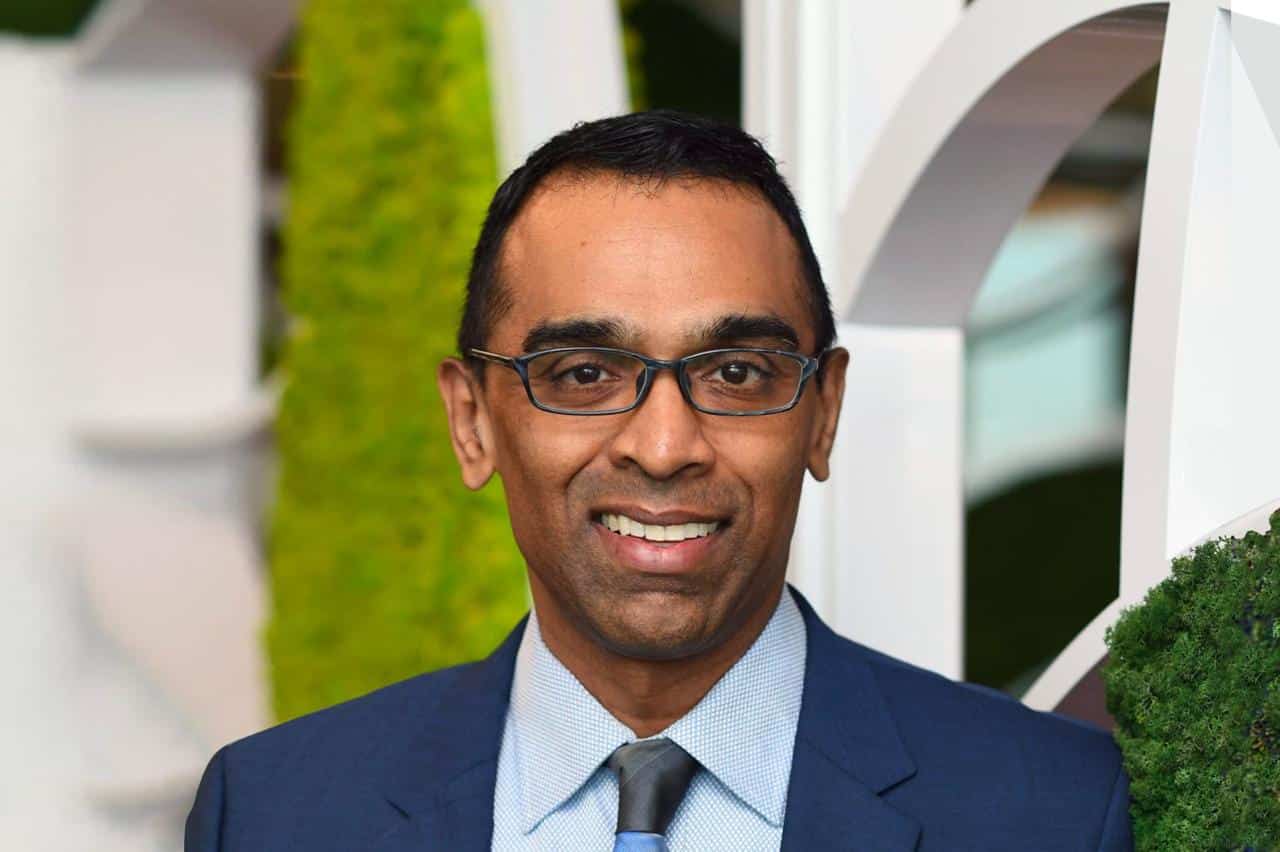
An interview with Nagesh Devata, Senior Vice President, Asia Pacific, Payoneer
Q: Payoneer has been present in Pakistan for several years now. How do you view the market today?
Nagesh Devata:
Pakistan is a priority market for Payoneer, both because of its scale and its trajectory. The country has a large base of export-oriented small and medium-sized enterprises (SMEs) and service businesses that are increasingly selling to international clients across IT services, gaming, digital marketing, business process outsourcing (BPO), and e-commerce.
According to Pakistan Today Profit, Pakistan’s total services exports reached USD 6.24 billion in FY 2024–25, marking a 9.85% year-on-year increase. This growth reflects a clear shift toward services-led exports, and payments infrastructure plays a critical role in enabling that momentum. Payoneer’s role is to help Pakistani businesses participate in global commerce with confidence, predictability, and scale.
Q: SMEs are the backbone of Pakistan’s economy. What challenges do they face, and how does Payoneer support their international growth?
Nagesh Devata:
Pakistan has over 5 million SMEs, contributing close to 40% of GDP (Source: SMEDA Pakistan, 2025). Despite their importance, many SMEs face structural barriers when engaging globally. These include complex cross-border payment processes, FX volatility, long settlement cycles, and limited access to digital financial tools.
Payoneer focuses on supporting businesses that are scaling, typically moving from informal setups to structured SMBs serving international clients. We provide multi-currency receiving accounts, streamlined cross-border collections, and a robust financial suite of products that gives businesses visibility into cash flow. This allows SMEs in Pakistan to operate more professionally, manage cash flow better, and reinvest in growth as they expand internationally.
Q: What differentiates Payoneer from other payment options available to Pakistani entrepreneurs?
Nagesh Devata:
There are three key differentiators. First, Payoneer combines local market understanding with a global infrastructure operating across more than 190 countries and territories. Second, we offer a broad product suite, from multi-currency receiving accounts to checkout solutions for exporters and D2C brands.
Third, we are deeply embedded in the entrepreneurial ecosystem through on-ground teams and partnerships. This allows us to support Pakistani businesses not just with payments, but with education and long-term scalability.
Q: Pakistan’s IT and digital services exports have shown strong momentum. How do you see this evolving?
Nagesh Devata:
The momentum is very real. Pakistan’s IT, IT-enabled services, and freelance exports reached a record USD 4.6 billion in FY 2024–25, according to Profit Pakistan Today. What’s encouraging is that growth is no longer limited to a single segment – it spans software development, gaming, digital creative services, and BPO.
As businesses mature, we’re also seeing a shift from one-off projects to long-term, recurring international contracts. Reliable payment flows are a key enabler here, because global clients expect structured invoicing, predictable settlements, and professional financial operations.
Q: Gaming and digital creative services are emerging as a strong export opportunity for Pakistan. How is Payoneer supporting this ecosystem, and what does that look like in practice for local studios?
Nagesh Devata:
Pakistan’s gaming and digital creative studios are increasingly working with international publishers and platforms across North America, Europe, and the Middle East. As these relationships shift from one-off projects to milestone-based and recurring contracts, payment reliability becomes critical to maintaining trust and continuity.
We see many studios using Payoneer’s multi-currency receiving accounts and consolidated balance view to manage earnings from multiple clients and platforms in a structured way. Clear settlement statements help them reconcile payments quickly and keep their financial operations organized.
In addition, studios often use Payoneer Cards to pay for global advertising and user-acquisition campaigns, which are essential for driving game downloads and international visibility. By simplifying both how they collect revenue and how they spend globally, Payoneer helps Pakistani game developers reduce operational friction and focus on building, launching, and scaling their products worldwide.

Q: Can you share an example of a Pakistani gaming studio that has successfully scaled internationally with the right payments infrastructure in place?
Nagesh Devata:
One strong example is a Pakistani game development studio, Guava Slice Games, that won the Game Developer Award at Payoneer’s XBorder Excellence Awards in 2025. Like many studios, they initially faced challenges not with talent or product quality, but with unreliable and slow international payments, which made it difficult to sustain and grow global partnerships.
After moving to a more structured payments setup, the studio was able to stabilize cash flows, build trust with international publishers, and focus fully on production and growth. Today, they work primarily with partners in North America and Europe, with a growing footprint in the Middle East. Access to multi-currency accounts and the ability to reinvest quickly into global advertising and user acquisition helped them scale from a small local studio into an award-winning business competing confidently on the global stage.
Q: Are Pakistani developers moving toward longer-term global contracts?
Nagesh Devata:
Yes, we are seeing a gradual shift from one-off project payments to longer-term, recurring engagements. As payment processes become more reliable and transparent, trust increases on both sides.
This reliability enables companies to scale into new geographies. For example, Pakistani leather exporter Adnan Siddiqui of FACON and Trendy Jacket expanded significantly into the US, Europe, Canada, and Australia after stabilizing his international payment flows (Source: Trade Chronicle, 2025). Similar patterns are now emerging across digital and creative services, including gaming.
Q: Which regions are driving demand for Pakistani digital and gaming talent?
Nagesh Devata:
North America and Europe continue to be strong demand centers, particularly for gaming, development, and creative services. At the same time, demand from the Middle East is rising, with studios and companies increasingly sourcing talent from South Asian markets, including Pakistan.
Q: How important are local partnerships in enabling seamless cross-border payments in Pakistan?
Nagesh Devata:
Local partnerships are essential. While Payoneer brings global expertise and infrastructure, local integrations ensure that businesses can move funds efficiently into the Pakistani financial system. This combination helps address local challenges such as currency flexibility, payment security, and evolving digital commerce needs.
By aligning global capabilities with local market realities, we help Pakistani businesses operate internationally without losing efficiency at home.
Q: How does Payoneer help businesses manage FX volatility and cash-flow predictability?
Nagesh Devata:
FX volatility is a reality for exporters. Payoneer allows businesses to hold and receive multiple currencies, including USD, EUR, GBP, and others, and decide when to convert into PKR. This control helps businesses manage timing risk and plan expenses more effectively.
Additionally, businesses can pay international suppliers in the same currency they collect, reducing unnecessary conversions. This level of flexibility is essential for SMEs that need predictability to scale sustainably.
Q: What trends are you seeing across Asia-Pacific that are relevant for Pakistani businesses?
Nagesh Devata:
Across Asia-Pacific, we see strong growth in cross-border services trade, embedded finance, and digitally native export businesses. Markets like Vietnam have built strong gaming and software export ecosystems, and Pakistani studios increasingly look to such markets for inspiration in how they structure operations and engage global clients.
Pakistan is becoming more competitive on talent and cost, and payment reliability is improving as more businesses adopt structured invoicing and global payout platforms. This positions Pakistani SMEs well to compete regionally and globally.
Q: What is Payoneer’s focus in Pakistan going forward?
Nagesh Devata:
Our focus is on empowering Pakistani SMBs and service exporters to grow internationally by combining seamless payments, global expertise, and strong local engagement. This includes continued investment in education, community building, and tools that support B2B and D2C businesses.
As we move into 2026, we’re particularly optimistic about Pakistan’s digital economy. The country’s IT exports are on a strong growth trajectory, and we’re seeing exciting momentum in sectors like gaming, where Pakistani developers are making their mark globally, as well as in e-commerce and creative services. Pakistan’s young, tech-savvy workforce is increasingly connected to international markets, and we expect 2026 to be a pivotal year for digital exports.
Our role is to bridge this local talent with global opportunities, providing the financial infrastructure that enables sustainable, long-term participation in international commerce. We’re committed to being the partner of choice for Pakistan’s entrepreneurs and exporters as they scale their businesses and compete on the world stage.

