


The government of Pakistan is exploring the implementation of work-from-home policies and remote learning initiatives as part of a broader strategy to conserve fuel, in light of potential disruptions to oil supplies due to ongoing tensions in the Middle East. These measures are being considered to reduce unnecessary travel, ease pressure on the transportation sector, and manage the country’s energy resources more efficiently.
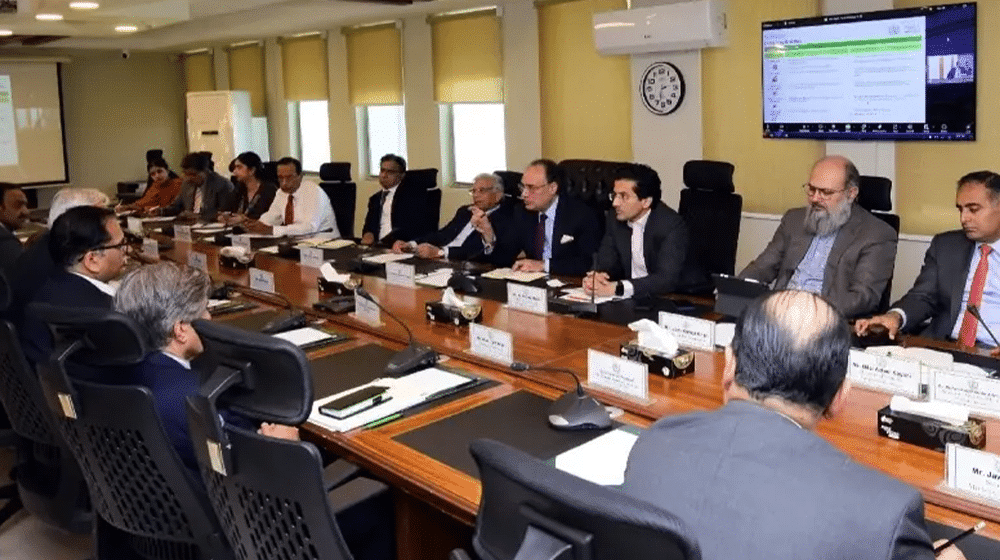
A cabinet committee tasked with reviewing petroleum prices has finalized a comprehensive national action plan. This plan is set to be submitted to Prime Minister Shehbaz Sharif and the Economic Coordination Committee for formal approval. Authorities have emphasized that, while current fuel reserves are sufficient to meet immediate demand, careful management and prudent usage remain essential to avoid shortages or price volatility.
The proposed strategy also includes a system of weekly petroleum price reviews to ensure timely adjustments, along with enhanced monitoring and enforcement against hoarding and illegal smuggling of fuel. In addition, the plan outlines measures for the more efficient management of liquefied petroleum gas (LPG) and liquefied natural gas (LNG) supply chains, aiming to maintain energy stability across the country. These combined efforts reflect the government’s proactive approach to safeguarding Pakistan’s energy security while minimizing the economic impact on citizens and businesses.

