


Zakat is among the most powerful moral instruments in Islamic society. It purifies wealth, redistributes opportunity, and binds communities together through shared responsibility. In Pakistan, this obligation is fulfilled with remarkable consistency, particularly in moments of crisis. Hunger, illness, and disaster evoke swift and generous responses.

Yet Islamic tradition asks believers not only how much they give, but how they give.
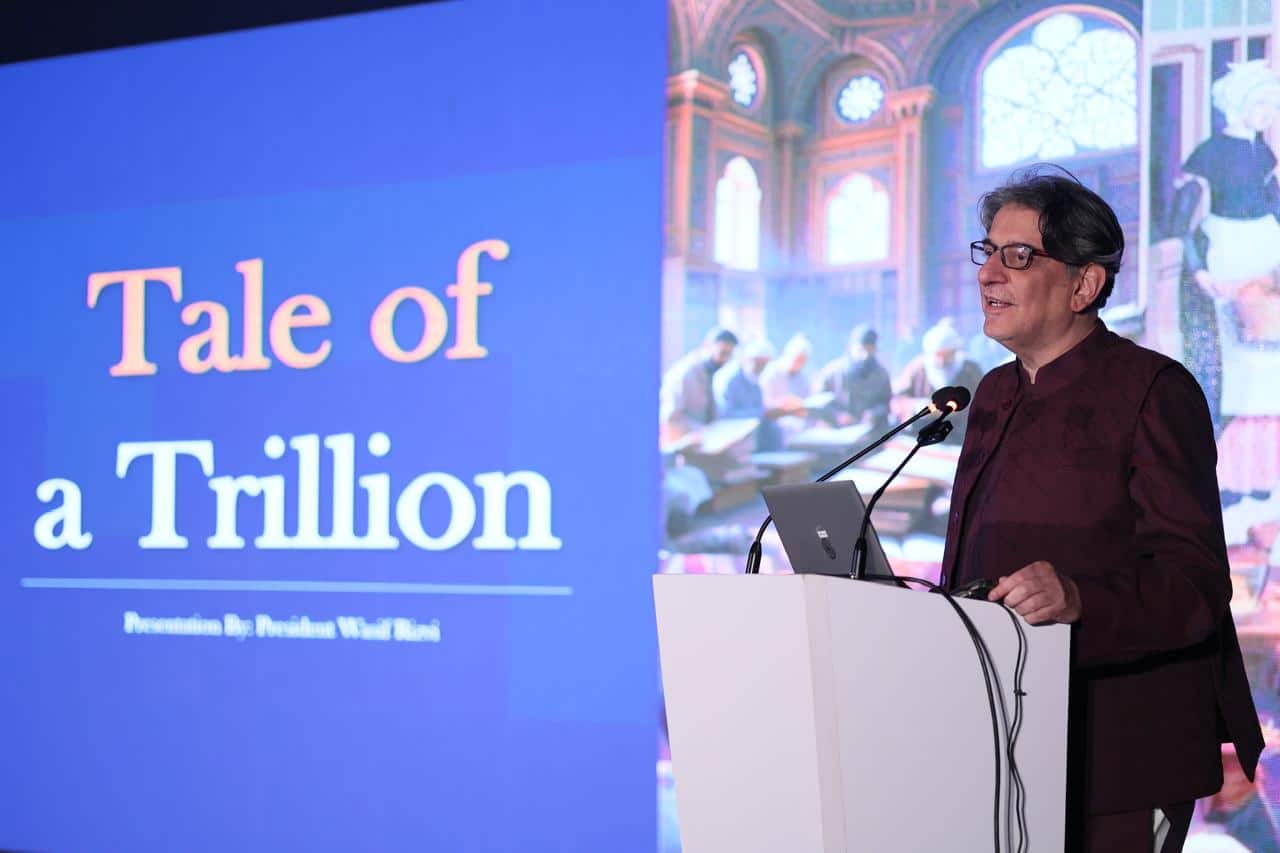
At a recent gathering in Karachi, scholars, philanthropists, and business leaders gathered to reflect on a deeper interpretation of charitable responsibility – one that extends beyond immediate relief to the cultivation of knowledge. Under the theme titled ‘Building the Future We Owe’, the attendees addressed a question of national consequence: How should Pakistan direct its vast philanthropic capital toward long-term progress?
The premise was rooted in history: Islamic civilisation was built not only on compassion, but on institutions. For centuries, Zakat and endowments sustained centres of learning that shaped theology, science, and governance. Education was viewed as an act of worship, a communal obligation, and a form of long-term justice. Scholars such as Al-Khwarizmi emerged because society collectively invested in environments where learning could flourish.

In contemporary Pakistan, however, higher education occupies a marginal position within faith-based giving. Universities operate under financial strain, even as the demand for educated leadership grows. This disconnect risks reducing charity to short-term alleviation while leaving structural inequities intact.
The conversation in Karachi offered a reframing. Zakat, participants argued, can lawfully and ethically support higher education when structured through scholarships and endowments for deserving students. Such giving aligns with both the letter and spirit of faith, uplifting individuals while strengthening the collective.

The experience of Habib University was cited as a working model. A significant majority of its students studied through financial support rooted in religious giving. Since its establishment, over $42 million have been channelled into aid and scholarships, enabling access while preserving academic independence.
Throughout the evening, speakers returned to a shared theme: relief is necessary, but insufficient. Without education, societies remain trapped in cycles of dependence. With education, charity becomes transformative rather than transactional.

The message was clear and quietly urgent. Pakistan’s generosity is not in question. Its opportunity lies in reclaiming education as a central expression of Zakat – one that honours faith by building minds, institutions, and futures.
Relief answers today’s pain. Knowledge prepares tomorrow’s possibility. Between the two lies a more complete vision of giving – one capable of sustaining a nation.

