


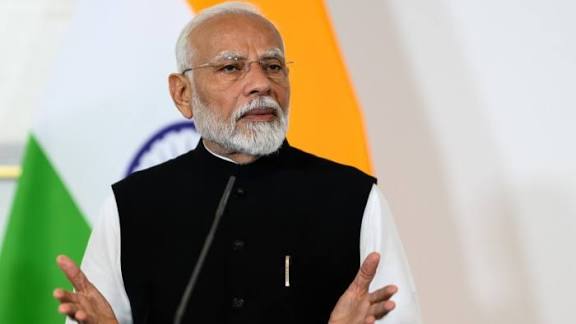
India has moved ahead of Japan to become the world’s fourth-largest economy, marking an important moment in its economic journey. The development reflects India’s fast-growing economy and its increasing role on the global stage.
The change has attracted attention from many countries, including the United States, which has publicly acknowledged India’s rising economic position. Other major nations such as China, the United Kingdom, and Russia are also strengthening their economic and diplomatic engagement with India.
Despite this achievement, experts caution that a large economy alone does not guarantee greater global or regional influence. Analysts note that strategic power depends on many factors, including geography, security capabilities, political alliances, and regional stability.
In South Asia, Pakistan continues to play a key strategic role despite having a smaller economy. Its geographic location places it at an important crossroads connecting South Asia, Central Asia, the Middle East, and China.
This position gives Pakistan strategic importance in regional trade routes, security matters, and geopolitical planning.
Pakistan maintains long-standing relationships with major global powers such as the United States, China, and Russia. It also shares strong defense and security cooperation with Saudi Arabia and works closely with other countries including Türkiye, Libya, and several Gulf and Central Asian nations.
These partnerships strengthen Pakistan’s role in regional and international security discussions. Experts believe that South Asia’s balance of power is shaped by more than economic size.
They highlight that military strength, diplomatic influence, regional alliances, and strategic geography all play an important role. While India’s economic rise is significant, Pakistan’s strategic position and international partnerships continue to make it an important player in regional affairs.

