


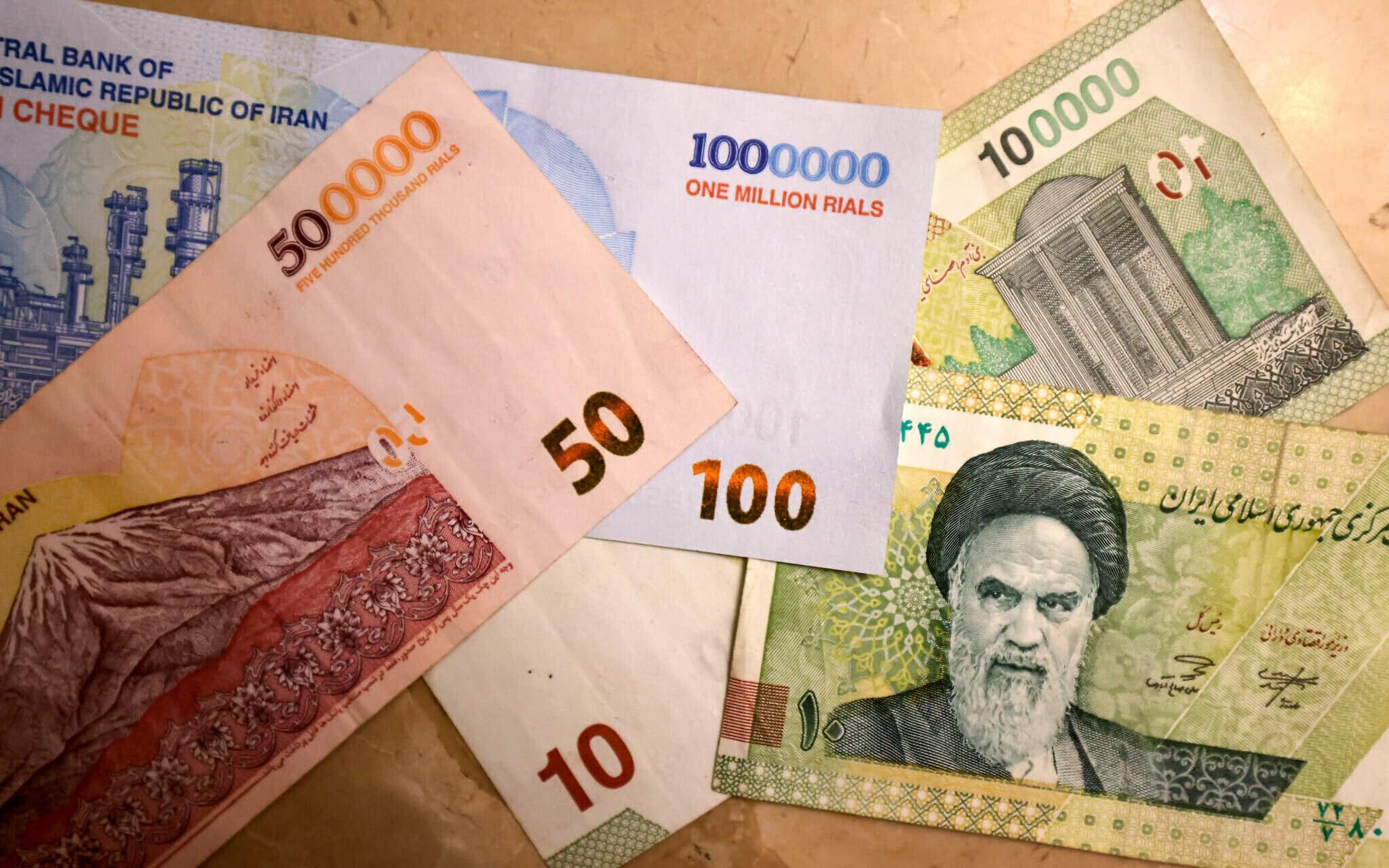
Iran is facing a deep economic crisis as its national currency, the rial, has fallen to a record low. The value of the rial has dropped so sharply that it is now almost worthless against the US dollar.
This collapse has added to existing economic pressure caused by international sanctions, high inflation, and long-standing financial mismanagement.
As the currency weakens, the prices of food, fuel, and daily necessities have risen rapidly. Many families are struggling to afford basic items, increasing frustration and anger among the public. This economic hardship has played a major role in triggering widespread protests across the country.
Demonstrations first began on December 28, 2025, in Tehran’s Grand Bazaar, a key economic center. From there, protests quickly spread to other major cities and smaller towns.
People from different social and economic backgrounds have joined the unrest, demanding relief from rising prices and better economic conditions.
The situation has turned violent in some areas. Reports indicate that hundreds of people have lost their lives, while thousands have been arrested during clashes between protesters and security forces. The growing instability has raised serious concerns about public safety and human rights.
Political pressure has also increased. In December, Iran’s central bank chief stepped down amid criticism over the handling of the economy.
International organizations have warned that the situation may worsen. The World Bank has predicted that Iran’s economy will shrink by 1.7 percent in 2025 and by 2.8 percent in 2026.
As financial problems continue to deepen, social unrest shows no sign of slowing. The ongoing crisis highlights the strong link between economic collapse and public dissatisfaction in Iran, leaving the country facing an uncertain future.

