


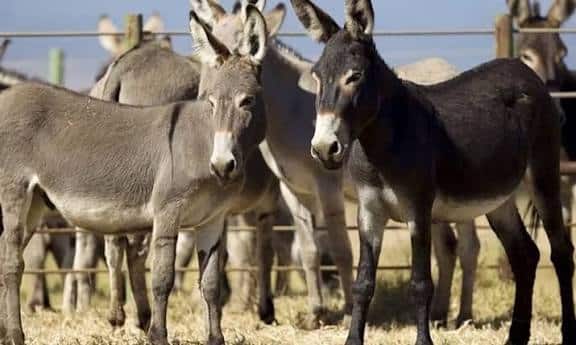
Pakistan is entering a historic phase in trade with China by starting large-scale exports of donkey meat and hides. This marks a new chapter in economic cooperation between the two countries.
The project is set up in the Gwadar North Free Zone, underlining the growing role of this zone in boosting cross-border trade.
A Chinese company, Hangeng, has invested $50 million in a modern slaughterhouse in the zone. This facility is capable of processing over 216,000 donkeys each year. Once fully operational, the project plans to export nearly 50 shipping containers to China every month.
While China’s General Administration of Customs has granted the necessary licenses for exports, initial shipments have faced slight delays. These delays are due to pending health certifications and legal approvals, which are being resolved.
This trade project carries significant economic potential for Pakistan. The country has the world’s third-largest donkey population, while demand in China for donkey meat and hides remains strong, both for culinary purposes and traditional medicine.
The project has also carefully addressed cultural and religious sensitivities. All processing of donkeys will take place strictly within the tax-free zone, ensuring compliance with regulations. Exports will only be allowed via air or sea, maintaining proper controls and avoiding any public concerns.
Experts say this initiative can generate substantial revenue, create jobs, and strengthen trade ties with China.
The Gwadar North Free Zone is expected to become an increasingly important hub for similar projects, attracting further investment and boosting Pakistan’s export potential. Overall, the project represents a unique opportunity to combine economic growth with strategic trade development while respecting local norms and regulations.

