


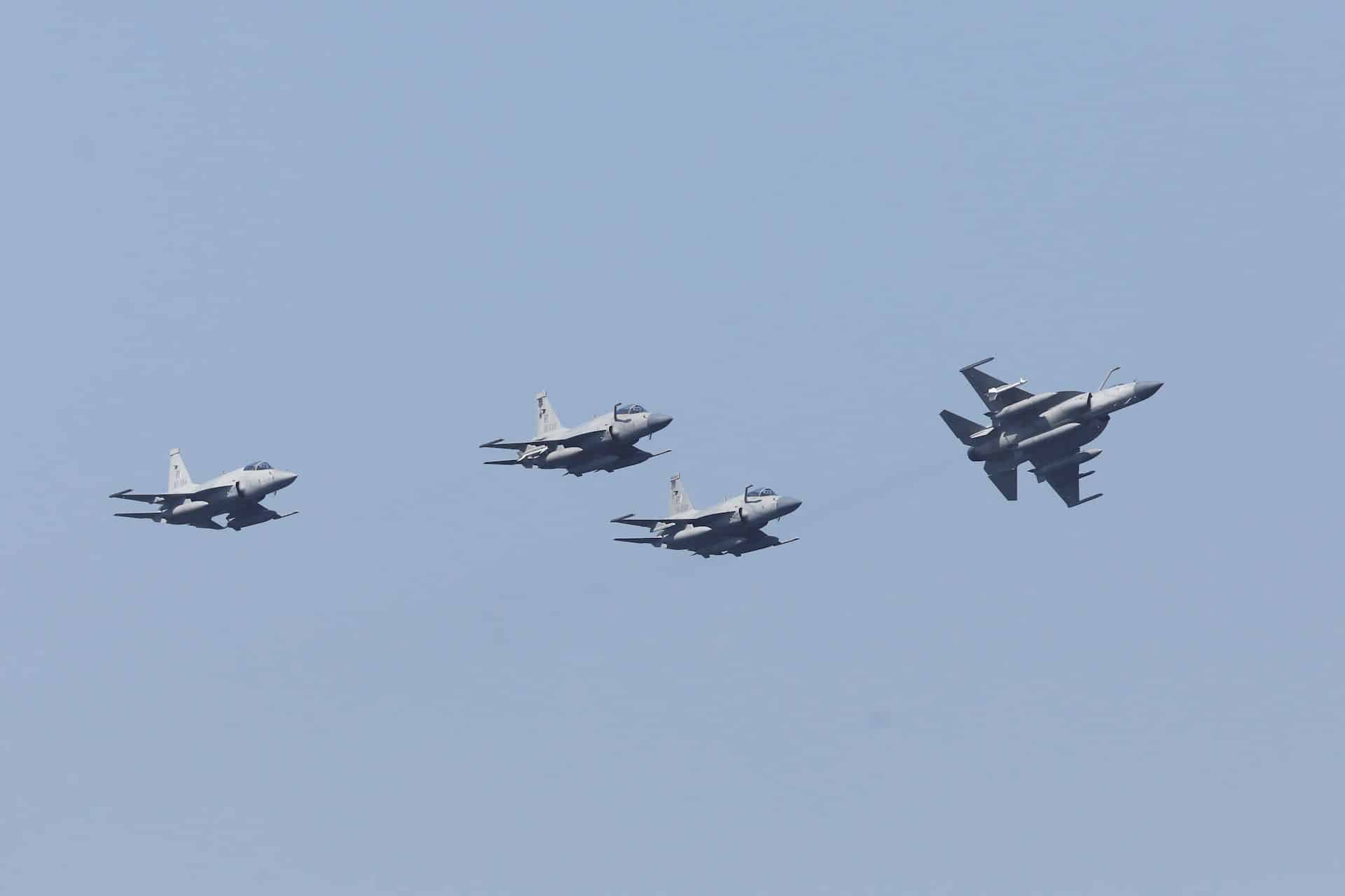
Pakistan Nears $1.5 Billion Defence Deal to Supply Weapons, Jets to Sudan
Pakistan is reportedly close to finalising a major defence export agreement with Sudan, valued at approximately $1.5 billion, marking another significant step in Islamabad’s expanding role in the global arms market.
According to sources familiar with the matter, the proposed deal includes the supply of advanced military hardware, potentially encompassing fighter jets, weapons systems, and related defence equipment. While official confirmation from either government has yet to be issued, negotiations are said to be at an advanced stage, with both sides expressing strong interest in concluding the agreement.
If finalised, the agreement would further strengthen Pakistan’s growing defence export portfolio, which has seen notable expansion in recent years. Pakistan’s defence industry, led by organisations such as Pakistan Aeronautical Complex (PAC) and Heavy Industries Taxila (HIT), has increasingly focused on exporting indigenously developed platforms, including fighter aircraft, training jets, armoured vehicles, and air defence systems.
Analysts suggest that Sudan’s interest reflects a broader effort by the African nation to modernise its military capabilities amid evolving regional security challenges. Pakistan, meanwhile, views defence exports as a strategic tool to boost foreign exchange earnings, deepen bilateral ties, and enhance its standing as a reliable defence supplier to developing countries.
The potential Sudan deal follows a series of high-value defence agreements Pakistan has secured with countries in the Middle East, Africa, and Central Asia, underscoring a shift toward defence diplomacy as a pillar of its foreign policy. Officials have repeatedly highlighted that Pakistan’s military exports are offered with training, maintenance support, and cost-effective lifecycle solutions, making them attractive to partner nations.
However, observers note that any agreement involving Sudan is likely to draw international attention, given the country’s internal political and security situation. Experts emphasize that such deals typically require careful navigation of international regulations, sanctions frameworks, and end-user assurances.
For now, both Islamabad and Khartoum are maintaining a low public profile on the negotiations. Should the deal be concluded, it would rank among Pakistan’s largest defence export agreements to date, reinforcing the country’s ambitions to become a competitive player in the global defence industry.
The accompanying image is AI-generated and provided for reference purposes only.

