


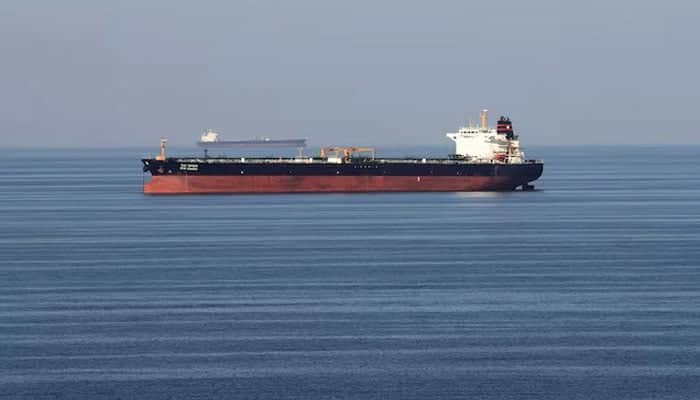
Pakistan could come under significant energy pressure if escalating tensions around the Strait of Hormuz disrupt the steady flow of oil shipments. The strategic waterway serves as a critical transit route for a substantial portion of the world’s crude exports, particularly from Middle Eastern producers on whom Pakistan heavily depends. Reports suggest that the country currently maintains roughly 28 days of fuel reserves — a cushion that may provide temporary relief but falls short of offering long-term security in the event of a sustained disruption.
Any prolonged blockage, shipping delays, or escalation in regional instability could rapidly strain domestic fuel supplies. Given Pakistan’s reliance on imported crude, even short-term interruptions could tighten availability across the country. This vulnerability is compounded by rising global oil prices, which have already driven up the cost of petrol and diesel, increasing transportation fares and raising production expenses for manufacturers. Higher fuel prices inevitably ripple through the broader economy, affecting essential goods and consumer purchasing power.
Additionally, challenges within the domestic refining sector add another layer of concern. Struggling refineries, aging infrastructure, and limited local production capacity reduce the country’s ability to absorb external shocks. Without consistent and stable imports, the risk of fuel shortages could grow, placing added pressure on industries, supply chains, and overall economic stability in the weeks ahead.

