


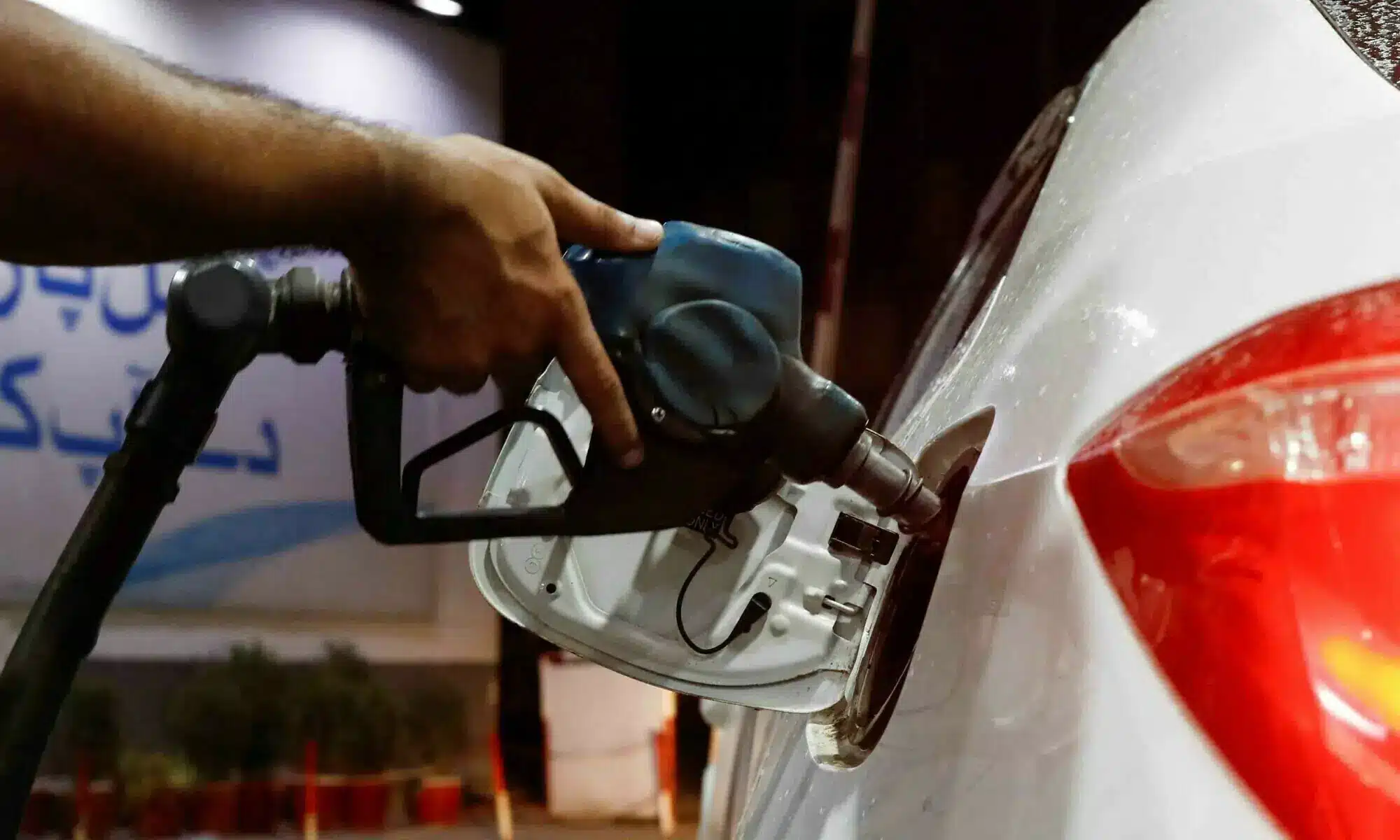
Pakistan may see petrol prices rise sharply if global oil rates continue to increase amid growing tensions in the Middle East.
Analysts say that conflict involving Iran, Israel, and the United States is already affecting oil markets, and this could push international crude prices higher. As Pakistan imports nearly all of its fuel, any rise in global oil costs usually leads to higher prices at the local pump.
Current forecasts suggest that petrol in Pakistan could reach around Rs. 350 per litre if the oil price climb continues over the coming weeks. This would be a significant jump from recent rates and could place extra strain on household budgets.
Many consumers are already coping with high food and electricity costs as part of a broader period of inflation in the country. Rising petrol prices would add to these daily expenses, making commuting, transport, and goods delivery more costly for ordinary people.
Oil markets reacted quickly to news of military escalation in the Middle East, with benchmark crude prices such as Brent crude rising sharply.
Higher crude rates increase the cost of importing fuel, which then flows through to final prices in countries that depend on imported energy. Pakistan is one such country with very limited domestic oil production. Government officials have not yet confirmed whether petrol prices will be raised at the next monthly review.
In recent years, fuel prices in Pakistan have often changed based on global oil movements, exchange rate shifts, and taxes or duties set by the government. If prices do rise, authorities may consider measures to soften the impact, such as lowering fuel taxes or cutting margins for distributors, but such steps are not yet confirmed.
The situation remains uncertain, and much will depend on how global oil markets respond in the weeks ahead.

