


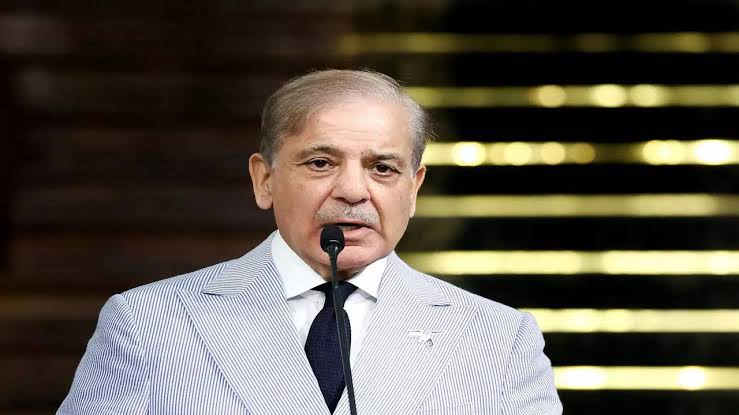
, the Prime Minister of , has approved a new austerity policy that includes salary deductions for employees working in state-owned enterprises and autonomous institutions operating under government patronage. According to the decision, salaries will be reduced between 5 percent and 30 percent depending on the pay scale and position of the employees. The measure is part of the government’s broader effort to control expenditures and manage financial pressures during the ongoing regional and economic challenges.
The decision was made during a high-level meeting chaired by the prime minister to review the impact of petroleum prices and assess the progress of ongoing cost-saving initiatives. During the meeting, officials examined how rising global energy prices and regional developments could affect the country’s economy and fuel costs. Relevant government secretaries were instructed to personally oversee the implementation of the austerity measures and ensure strict compliance across all concerned departments and institutions. They have also been directed to closely monitor the process and submit daily progress reports to the review committee.
In addition to the salary adjustments, officials discussed several policy options aimed at stabilizing petroleum product prices and reducing the financial burden on citizens. According to the Prime Minister’s Office, the savings generated through these austerity steps will be redirected toward public relief measures. The government maintains that the initiative is intended to balance fiscal discipline with efforts to protect ordinary citizens from the economic impact of rising fuel prices and broader regional uncertainties.

