


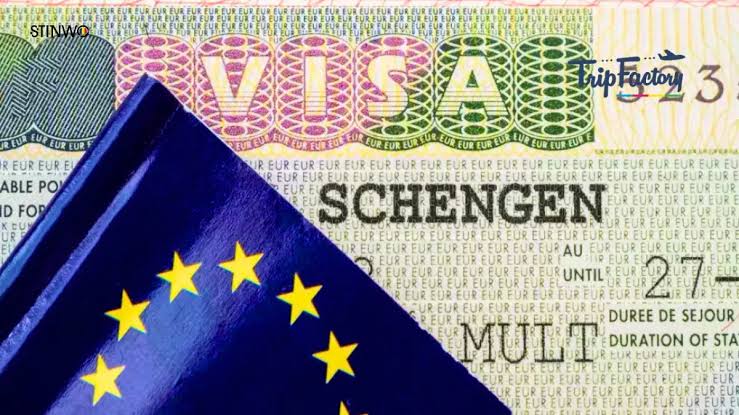
The European Union has introduced updated guidelines for Schengen visa applicants in 2026, aiming to improve transparency, strengthen border controls and gradually modernise the visa application system. While the core purpose of the Schengen short-stay visa remains unchanged, new emphasis has been placed on documentation accuracy, travel intent assessment and compliance with stay limits across the Schengen Area.
Digital Transition and Border Control Changes
Although the Schengen visa system has not yet moved to a fully online application process, 2026 marks a transition period where applicants are expected to rely more heavily on digital tools for appointment scheduling, fee payments and document tracking. Traditional submission through embassies, consulates and authorised visa centres remains mandatory in most cases.
At Europe’s borders, authorities are implementing enhanced entry-exit monitoring systems that replace manual passport stamping. These systems electronically record arrivals and departures, making it easier to detect overstays and enforce compliance with Schengen travel rules.
Updated Eligibility Criteria for 2026 Applicants
Schengen visa approvals in 2026 are assessed based on a structured evaluation of the applicant’s travel profile rather than individual documents alone. Authorities now focus on five core eligibility pillars:
- Clear purpose of travel, supported by hotel bookings, invitations, or event confirmations
- Proof of sufficient financial means to cover accommodation, travel and daily expenses
- Strong ties to the home country, such as employment, family responsibilities, education or property ownership
- A consistent and logical travel itinerary, with matching dates, destinations and bookings
- Strict compliance with the 90-days-within-180-days rule, ensuring no previous or planned overstay
Visa officers increasingly evaluate whether the applicant’s travel story is coherent, temporary and credible.
Application Process and Documentation
Applicants must submit their visa applications to the embassy or consulate of the country where they plan to spend the most time. If the duration of stay is evenly divided among multiple countries, the application should be filed with the country of first entry.
Required documentation continues to include a valid passport, completed application form, recent photograph, travel medical insurance, proof of accommodation, confirmed travel plans and financial evidence. Biometric data collection remains mandatory for most applicants, particularly first-time travellers or those whose biometric records have expired.
Visa Fees and Processing Time
The standard short-stay Schengen visa fee for adults in 2026 remains €90, while children between the ages of 6 and 12 are charged €45. Additional service fees may apply when applications are submitted through authorised visa centres. Processing times vary by country and season, but applicants are advised to apply well in advance of their planned travel dates.
What Travellers Should Expect
Travel experts advise applicants to prepare more thoroughly than ever, as automated tracking systems and stricter document reviews leave little room for inconsistency or error. Even minor discrepancies between documents and declared travel plans may affect visa outcomes.
As Europe continues to balance travel facilitation with border security, the 2026 Schengen visa framework reflects a shift toward more data-driven decision-making, requiring applicants to demonstrate not just eligibility, but credibility and compliance throughout their travel history.

