


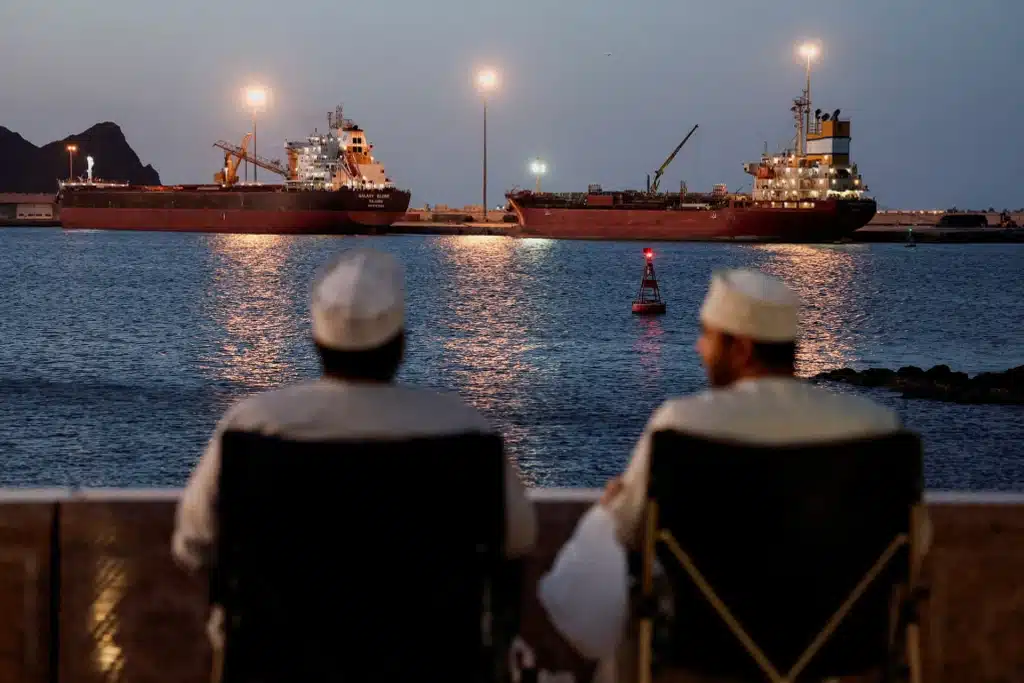
Despite the recent two-week ceasefire agreement between the United States and Iran, shipping activity in the Strait of Hormuz is still very low.
According to ship-tracking data reported by Reuters, only one oil tanker and five dry bulk carriers passed through the strait in the past 24 hours. Most of these vessels moved under special coordination with Iranian authorities.
Before the conflict began on February 28, an average of 130 to 140 vessels transited the strait every day. This vital waterway carries about 20% of the world’s oil and a large share of liquefied natural gas (LNG). The sharp drop in traffic has caused major disruptions to global energy supplies and raised shipping costs.
Shipping companies like Maersk have said they are taking a cautious approach. Even after the ceasefire, full maritime certainty is still missing, and many vessels remain stranded or waiting for clear instructions.
Experts believe shipping will only return to normal once both sides build more trust and finalise long-term arrangements during the upcoming talks in Islamabad. For now, the limited traffic shows that confidence in the region has not fully returned.
The slow recovery is affecting oil prices and global trade. Many countries, including Pakistan, India, and China, are closely watching the situation as they depend heavily on safe passage through the Strait of Hormuz.

