


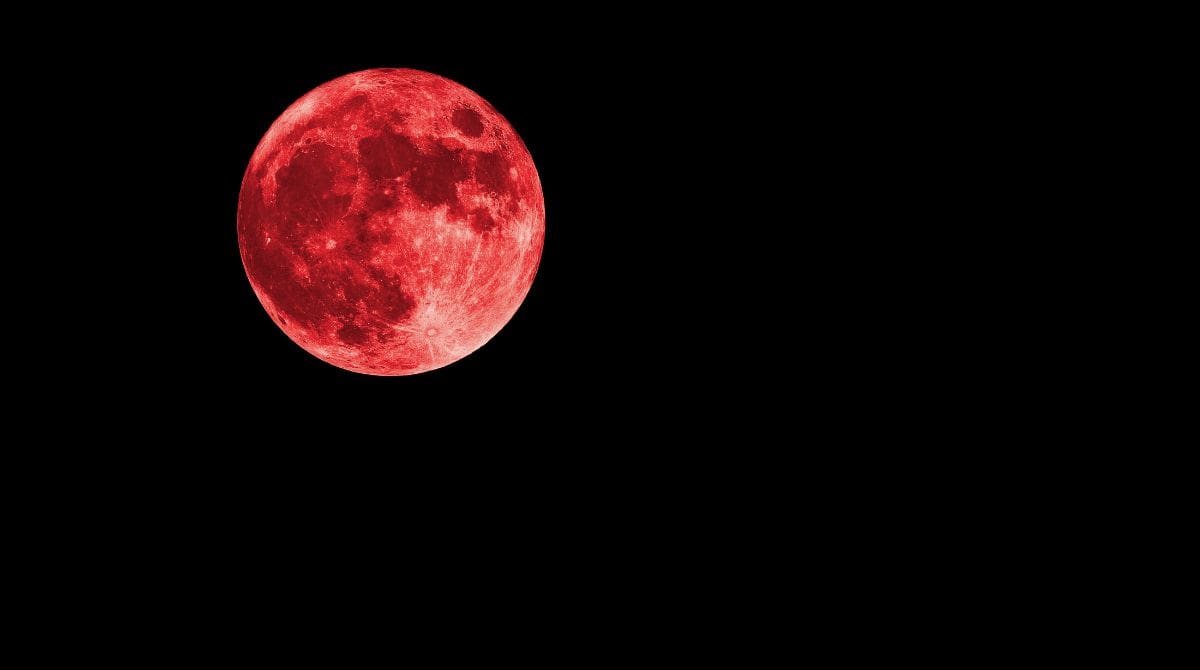
On March 3, skywatchers around parts of the world will be treated to a striking Blood Moon, a type of total lunar eclipse where the Moon turns a deep red color.
This event has drawn attention because the total phase, when the Moon is completely in Earth’s shadow and glows red, will last about 58 minutes, longer than many other eclipses.
A total lunar eclipse happens when the Earth moves directly between the Sun and the Moon. As sunlight passes through Earth’s atmosphere, only red and orange light reaches the Moon, giving it a coppery or reddish tone. That is why this phenomenon is often called a Blood Moon.
If the sky is clear, people in many parts of North America, Australia, and Asia will be able to witness the eclipse. As the Moon moves into Earth’s shadow in these areas, it will gradually darken and change color until it reaches its deep red color at full eclipse.
After nearly an hour in this total phase, the Moon will slowly move out of the shadow and return to its usual bright appearance.
Astronomy experts say this particular eclipse is special because of the long totality time, which gives viewers more time to observe the colour shift and the slow movement of Earth’s shadow across the Moon.
The next eclipse with similar viewing opportunities is not expected until 2028, making the 2026 event a rare chance for many people to see this natural spectacle.
Weather conditions will play a big role, so clear skies will offer the best views.

