


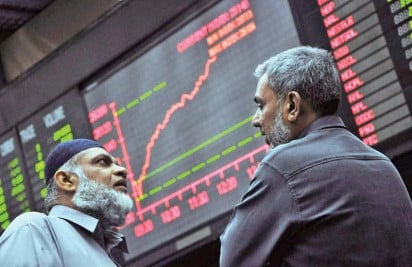
Trading at the Pakistan Stock Exchange was temporarily stopped after the market experienced a sharp fall. The benchmark KSE-100 Index dropped by nearly 10,000 points, which equals a decline of about 6.21 percent in a short period of time. The sudden drop caused concern among investors and led to a temporary halt in trading activity.
The major reason behind this decline was rising tensions in the Middle East, which created uncertainty in global financial markets. As fears grew about possible disruptions in energy supplies, investors started selling shares quickly to avoid further losses. This panic selling affected several important sectors of the market.
Industries such as banking, oil and gas, power generation, cement, and automobile companies saw heavy selling pressure. Share prices in many of these sectors fell sharply as investors reacted to the changing global situation.
Another factor behind the market decline was the sharp increase in oil prices. The price of Brent Crude climbed to around $118 per barrel, raising concerns about higher energy costs worldwide.
The increase in prices is linked to possible disruptions in shipments through the Strait of Hormuz, an important route used to transport a large portion of the world’s oil supply.
Reports that major oil producers such as Iraq, Kuwait, and Qatar may reduce production also added to worries in the market.
Financial experts say that market conditions may remain unstable in the coming days as investors closely watch global developments and energy supply concerns.

