


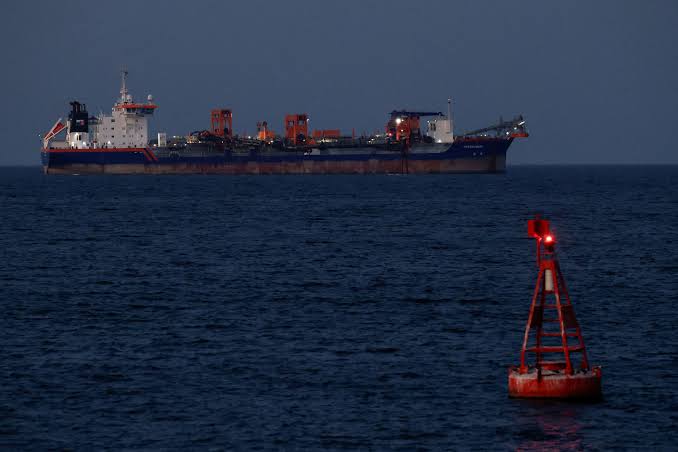
Iran has continued transporting significant volumes of crude oil through the strategically important Strait of Hormuz since the escalation of the Middle East conflict on February 28. Shipping and tanker-tracking data indicate that large quantities of Iranian crude have been moving through the waterway despite the heightened security risks in the region. Estimates from satellite monitoring and maritime analytics firms suggest that more than 11 million barrels of oil have been shipped during this period, with the cargo reportedly destined for buyers in China.
According to industry observers, approximately 11.7 million barrels of Iranian crude have passed through the strait since the conflict intensified. The Strait of Hormuz remains one of the world’s most critical energy corridors, and any disruption there can have global implications for oil supply and prices. Despite ongoing tensions and reports of disturbances affecting broader maritime traffic, Iranian shipments have continued to move through the route.
Analysts say that some tankers involved in transporting the crude are reportedly adopting measures designed to avoid detection or scrutiny during their journeys. These tactics can include temporarily switching off Automatic Identification System (AIS) tracking signals while sailing through sensitive areas. Such practices are sometimes used in regions facing geopolitical tensions or sanctions, although they raise concerns about maritime safety and transparency.
The continued flow of oil highlights the importance of the Strait of Hormuz in global energy trade and underscores the complex dynamics of the ongoing regional conflict. Energy markets and shipping companies are closely monitoring developments in the area, as any further escalation could impact shipping routes, insurance costs, and the stability of oil supplies moving through the Gulf.
Disclaimer: This post is for informational purposes only and is based on publicly available reports.

