


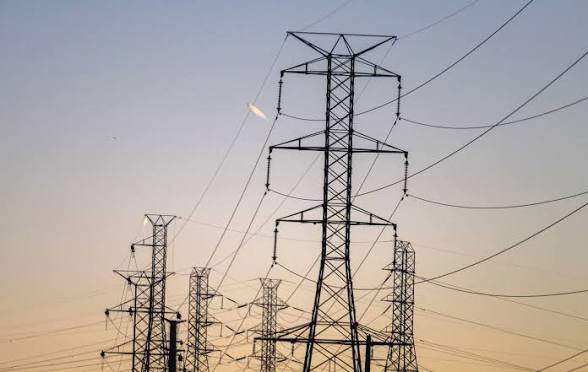
Pakistan could face daily electricity load-shedding and higher power bills this summer as the government struggles with fuel shortages and rising costs of electricity generation.
Senior officials said the government is planning a hybrid strategy to manage the situation. This approach may include limited load-shedding, mandatory electricity-saving measures for consumers, and adjustments in fuel costs to maintain electricity supply during peak hours.
Authorities have warned that fuel availability, especially liquefied natural gas (LNG), is expected to drop sharply. LNG currently provides more than 21% of Pakistan’s electricity. Even if regional tensions ease, LNG supplies could fall close to zero next month, putting additional pressure on the national grid.
Supplies of imported and local coal are also likely to remain limited. Together, LNG and coal contribute nearly 30% of the country’s total electricity supply.
To cover the shortfall, the government may rely more on furnace oil-based power plants during high-demand periods. However, furnace oil is far more expensive than other fuels. Electricity generated from furnace oil costs about Rs. 35 per unit, compared with Rs. 20 per unit from LNG and Rs. 13.50 per unit from imported coal.
The rising costs and limited fuel supplies mean that consumers may see both higher electricity tariffs and intermittent power cuts. Authorities are urging citizens and businesses to conserve electricity wherever possible to help reduce pressure on the grid.
With careful planning and responsible energy use, the government hopes to avoid prolonged outages while managing the financial and operational challenges of keeping Pakistan’s lights on this summer.

