


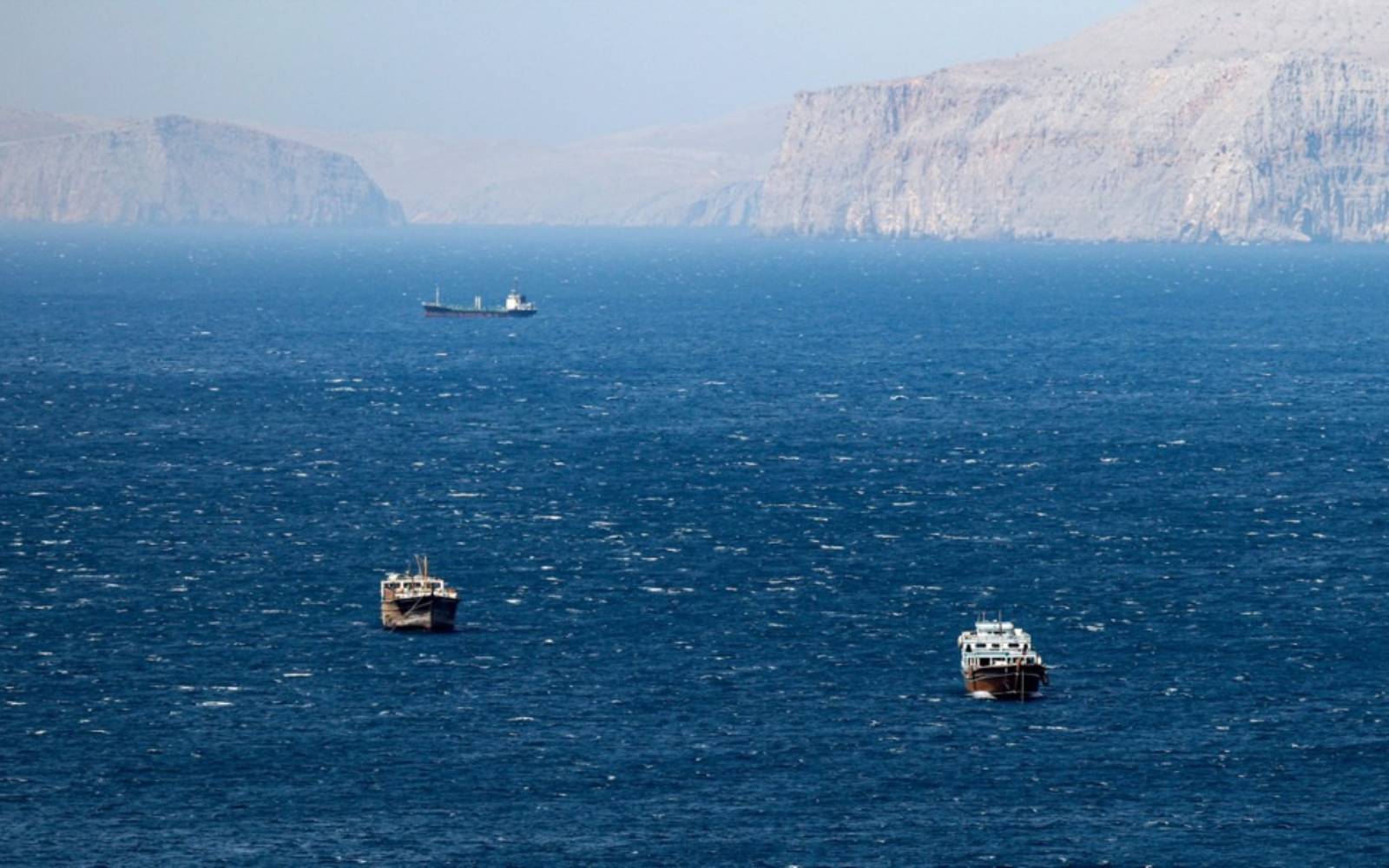
Iranian officials have introduced strict new rules for ships passing through the Strait of Hormuz, one of the world’s most important oil routes. Under this new system, only about 15 vessels are allowed to pass each day. This is much lower than normal traffic levels, where many more ships usually travel through daily.
According to the new policy, every ship must first get approval from Iranian authorities before it can enter the route.
This has made the process slower and more controlled, causing delays for shipping companies and traders. The changes are linked to the current ceasefire situation, showing that tensions in the region are still present despite the temporary calm.
The Strait of Hormuz is a key route for global oil transportation, so any restriction here can affect the entire world. With fewer ships moving through, there are growing concerns about energy supply, as many countries depend on this route for oil and gas.
In addition, shipping delays are increasing, and transportation costs are rising. This can lead to higher prices for fuel and goods in different parts of the world. Businesses and governments are closely watching the situation as it develops.

