


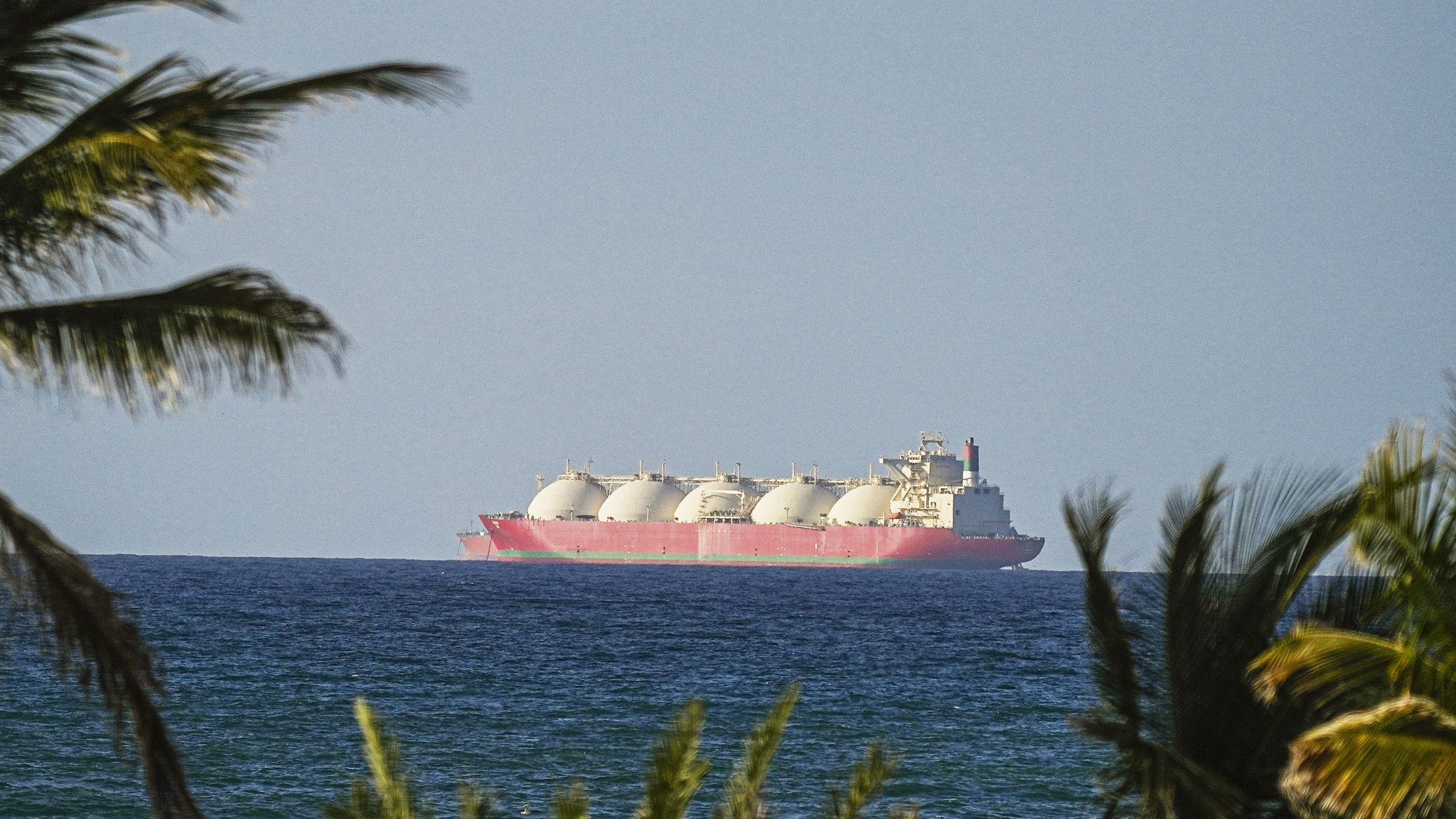
Iranian authorities have said that ships, including those connected to the United States, may be allowed to pass through the Strait of Hormuz under certain conditions during the current ceasefire period.
This means that movement through the area is not completely stopped, but it is now controlled under strict rules and monitoring.
Officials explained that each vessel must follow a proper approval process before entering the strait. Ships are required to coordinate directly with Iranian authorities and follow all security instructions given to them.
This system has been introduced as part of the updated maritime control measures during the ongoing ceasefire situation.
Although some ships are being allowed to pass, the overall flow of maritime traffic remains much lower than normal. The number of vessels moving through the strait has decreased significantly compared to usual levels.
This reduction is mainly due to continued political tensions and safety concerns in the region. Many shipping companies are also being extra cautious because of the uncertain conditions.
The Strait of Hormuz is one of the most important shipping routes in the world, especially for oil and gas transport.
Any disruption in this area can have a global impact, affecting energy supply and shipping costs. Because of this, even small restrictions or delays can create concern in international markets.
Despite the limited permissions for transit, the situation remains fragile. The ceasefire has reduced immediate conflict, but trust between the involved sides is still weak. As a result, maritime operations are being handled carefully, and every movement is closely monitored.

