


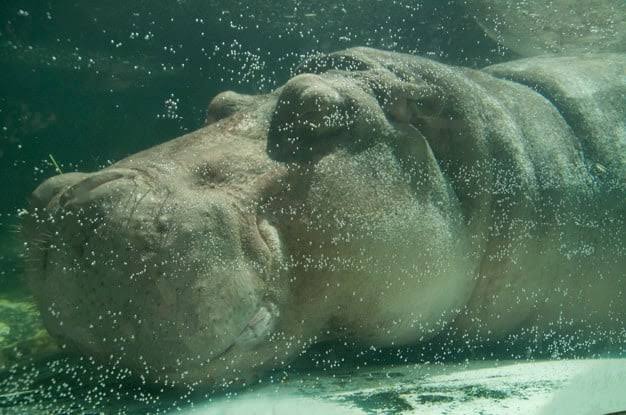
Nature continues to reveal astonishing adaptations that often go unnoticed, and few are as fascinating as those of the Hippopotamus. These massive animals possess a remarkable ability to sleep while submerged underwater, with an instinctive system that allows them to rise to the surface for air without fully waking. This natural mechanism works automatically, ensuring they can rest while still meeting their essential need for oxygen, even in deep or murky waters.
Despite their heavy build and seemingly slow movements on land, hippos are far more complex than they appear at first glance. Their underwater behavior reflects a finely tuned survival skill shaped by thousands of years of evolution. The way their bodies regulate breathing and movement during rest highlights how efficiently nature designs life to adapt to challenging environments.
The animal kingdom is filled with such extraordinary behaviors that often go unseen or underappreciated. From hidden survival strategies to instinctive responses that ensure continuity of life, wildlife constantly demonstrates quiet brilliance. Preserving natural habitats is essential not only for protecting species like hippos but also for safeguarding the countless subtle wonders of nature that continue to exist beneath the surface of everyday observation.

