


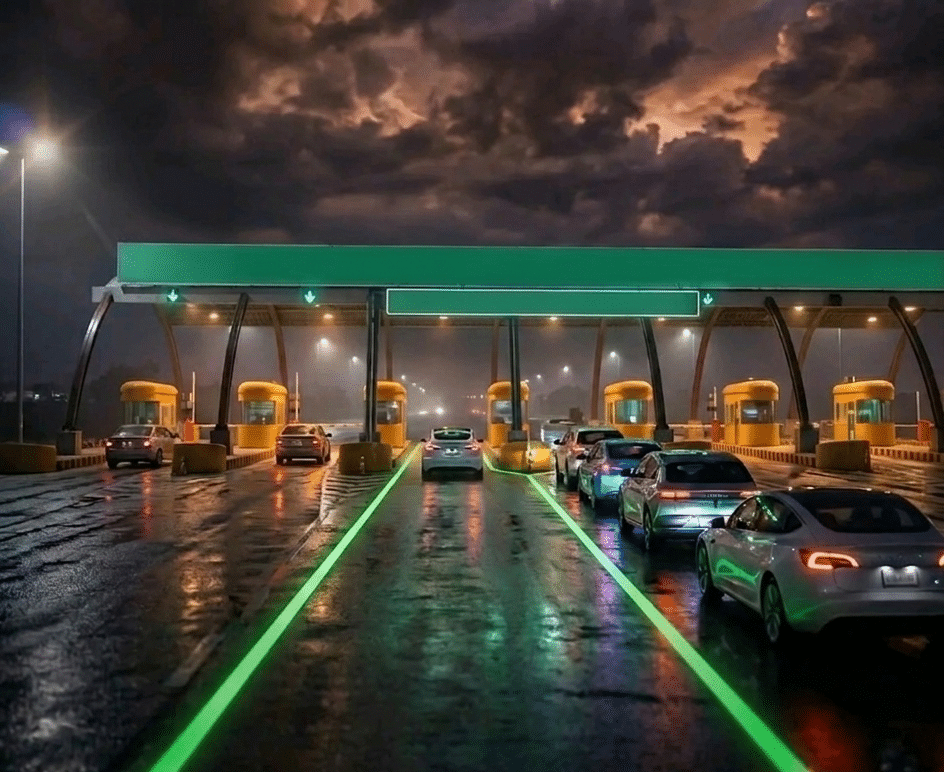
The government of Pakistan is planning to introduce toll exemptions on motorways and national highways for New Energy Vehicles (NEVs) under its upcoming Auto Policy 2026–31.
According to officials, the move is designed to encourage the use of cleaner and more environmentally friendly transport options. The policy will support battery-electric vehicles, plug-in hybrid vehicles, and fuel-cell vehicles as part of efforts to promote electric mobility across the country.
Authorities say the main goal is to reduce pollution and shift the transport sector toward sustainable energy solutions. By removing toll charges for NEVs, the government hopes to make these vehicles more attractive and affordable for consumers.
In addition to toll exemptions, the policy also includes major changes in the automotive sector’s tax structure. It proposes a gradual reduction in import duties on both fully built and locally assembled vehicles. The plan also suggests phasing out additional customs duties and regulatory duties by the year 2030.
Officials believe these reforms will help modernize the country’s automobile industry and encourage investment in new technology. The policy is also expected to support local manufacturing by creating a more competitive and structured market environment.
Industry experts say that such incentives could increase demand for electric vehicles in Pakistan, especially as fuel prices remain high and global trends shift toward clean energy transportation.
The government aims to create long-term benefits for both consumers and manufacturers by encouraging innovation, improving efficiency, and supporting environmentally friendly mobility solutions.

