


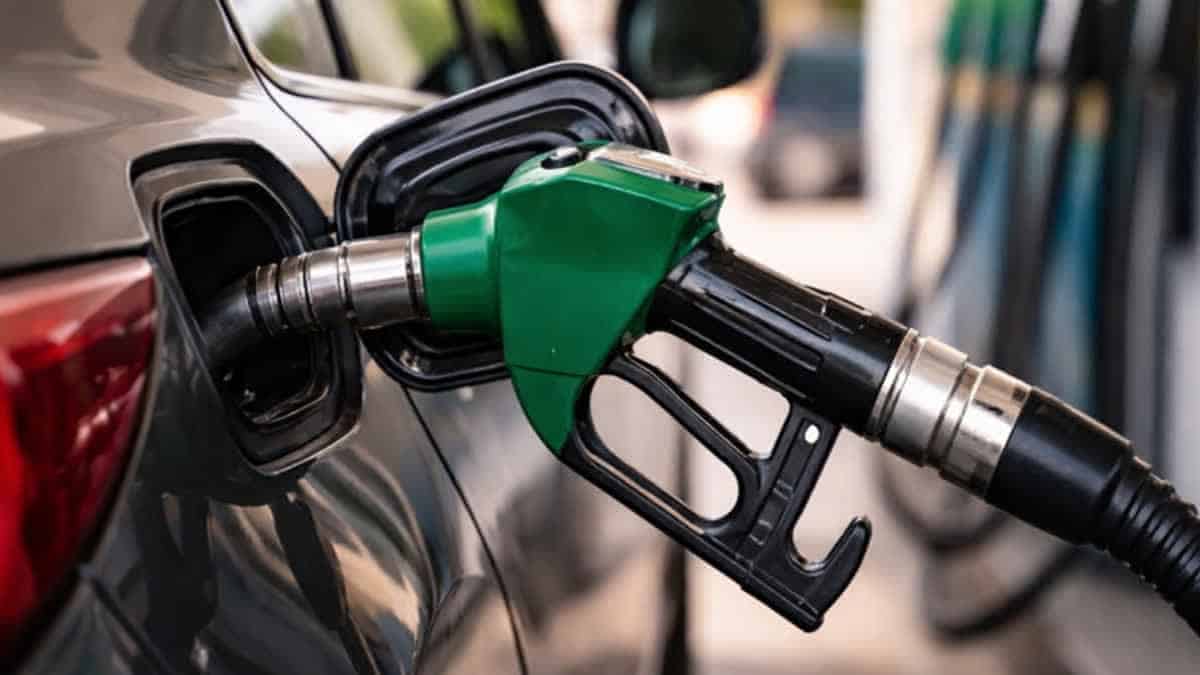
Consumers in Pakistan are paying more than Rs. 140 per litre in taxes, levies, and industry-related charges included in the price of petrol. These additional costs form a significant part of the final amount paid by motorists at fuel stations across the country.
According to available information, the government collects revenue through several components included in petrol prices.
These include the Petroleum Levy, customs duty, and a climate support levy. In addition, dealer commissions, oil marketing company margins, and inland freight equalization charges are also added to the final retail price.
Although GST on petrol is currently set at zero, various fixed charges continue to contribute heavily to fuel costs. As a result, a large portion of the price consumers pay is made up of taxes and other non-fuel components.
Officials say these levies play an important role in generating government revenue and helping meet fiscal targets. Revenue collected through fuel-related charges is often used to support government spending and manage budgetary requirements.
However, higher fuel prices can also affect households and businesses. Transport costs often increase when fuel becomes more expensive, which can influence the prices of goods and services across the economy.
Economic experts note that fuel pricing remains an important issue because of its direct impact on inflation and living costs. They emphasize the need for a balance between revenue generation and public affordability.
As fuel prices continue to be closely monitored, discussions about taxation, government revenue, and consumer relief remain an important part of Pakistan’s economic policy debate. Many citizens are hoping for measures that can reduce financial pressure while maintaining economic stability and fiscal discipline.

