


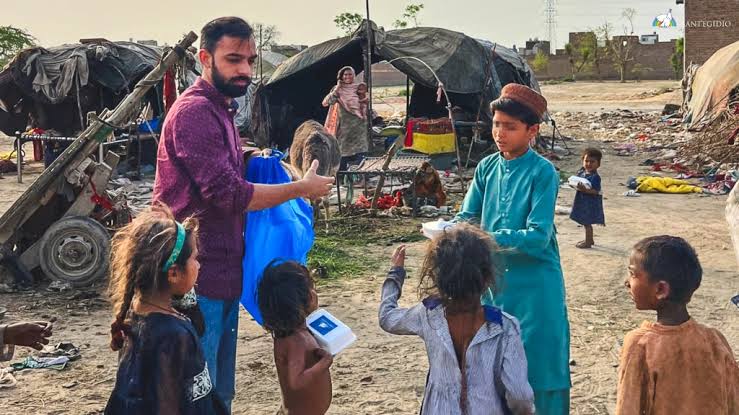
Pakistan’s poverty rate has increased significantly in recent years, reaching 28.9% in FY2024–25 compared to 21.9% in 2018–19, according to the Pakistan Economic Survey 2025–26.
The figures indicate that a larger portion of the population is facing financial hardship amid ongoing economic challenges.
The survey shows that poverty has risen more sharply in rural areas, where the poverty rate reached 36.2%. Experts say rural communities continue to face difficulties due to limited economic opportunities, rising living costs, and challenges related to agriculture and employment.
The report also highlights growing differences between provinces. Balochistan recorded the highest poverty rate at 47%, making it the most affected province in the country.
The data suggests that economic inequality remains a major concern, with some regions facing greater challenges than others.
At the same time, spending on education has declined considerably. Education expenditure dropped to Rs962 billion in FY2025 and fell to just 0.8% of the country’s GDP. This represents a significant reduction in investment in the education sector at both federal and provincial levels.
Experts warn that lower spending on education could affect long-term development by limiting access to quality learning opportunities and reducing investment in human capital. Education is widely considered a key factor in reducing poverty and improving economic prospects.
The survey paints a picture of increasing economic pressure on households across the country. Rising poverty, widening regional inequality, and reduced education funding are seen as major challenges that may impact future growth and development.

