


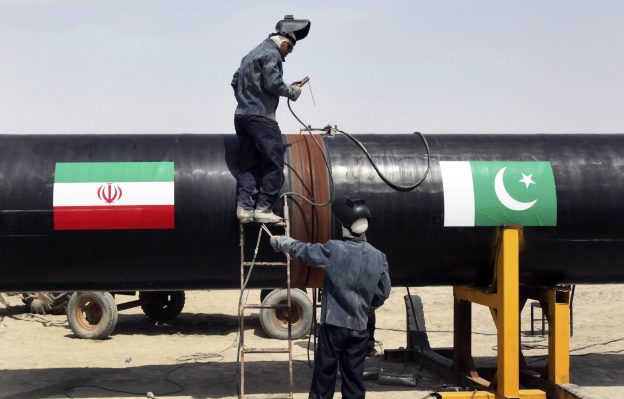
The long-delayed Pakistan-Iran gas pipeline project, also known as the Peace Pipeline, is expected to gain new life following a possible US-Iran peace agreement. This project aims to bring much-needed natural gas from Iran’s South Pars field to Pakistan through a pipeline stretching over 2,700 kilometers.
The idea for the pipeline started in the 1990s. Iran and Pakistan signed a formal agreement in 2009. Iran finished building its part of the pipeline years ago, but work on the Pakistan side has faced repeated delays. The main reasons were US sanctions on Iran, funding problems, and diplomatic tensions. Pakistan risked a big penalty of around $18 billion for not meeting deadlines.
Pakistan suffers from serious energy shortages. The pipeline could supply up to 750 million to 1 billion cubic feet of gas per day. This would help power plants, industries, and homes, reducing load-shedding and supporting economic growth. It would also strengthen trade and relations between the two neighboring countries.
Recent reports show that a US-Iran peace deal could ease sanctions. This would open the door for Pakistan to complete its section without fear of penalties. Pakistani officials are hopeful that improved regional ties will allow the project to move forward soon. However, success will depend on final policy choices, funding, and approvals from all sides.
If revived, the pipeline could become a game-changer for Pakistan’s energy security and mark a step toward greater regional cooperation.

