


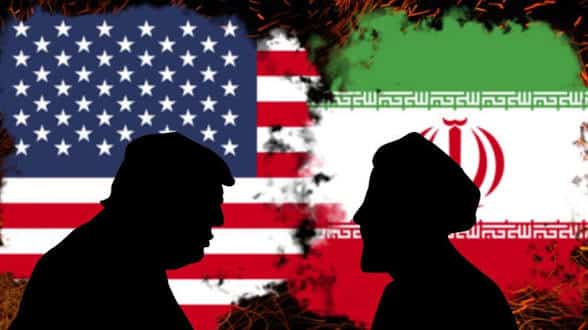
Wikipedia’s page on the 2026 Iran conflict has reportedly described the outcome as an “Iranian victory,” reflecting the current consensus among volunteer editors who contribute to the online encyclopedia.
As a crowdsourced platform, Wikipedia relies on contributors to update articles based on available sources and ongoing discussions among editors. The classification of conflict outcomes is often based on how reported events and developments are interpreted through publicly available information.
According to reports, the conflict began on February 28 and continued for nearly three months before ending with the signing of the Islamabad Memorandum of Understanding on June 17.
The agreement was reportedly reached through diplomatic efforts involving multiple countries, with Pakistan playing a mediating role in the negotiations.
The memorandum is said to have established a ceasefire framework and introduced measures aimed at reducing tensions in the region.
Among the reported outcomes were the reopening of the Strait of Hormuz, discussions on easing sanctions, and commitments to continue negotiations on unresolved issues.
The description of the conflict’s outcome on Wikipedia has generated discussion online, with users debating how modern conflicts should be characterized and who determines the final narrative of such events.
Some view the label as a reflection of available reporting, while others argue that historical assessments often evolve over time as new information emerges.
Experts note that Wikipedia articles can change as editors update content and new sources become available. As a result, classifications and descriptions may be revised in the future based on further developments and broader consensus.
The discussion highlights the growing influence of online information platforms in shaping public understanding of major international events and the importance of continuously reviewing and verifying information in rapidly evolving situations.

