


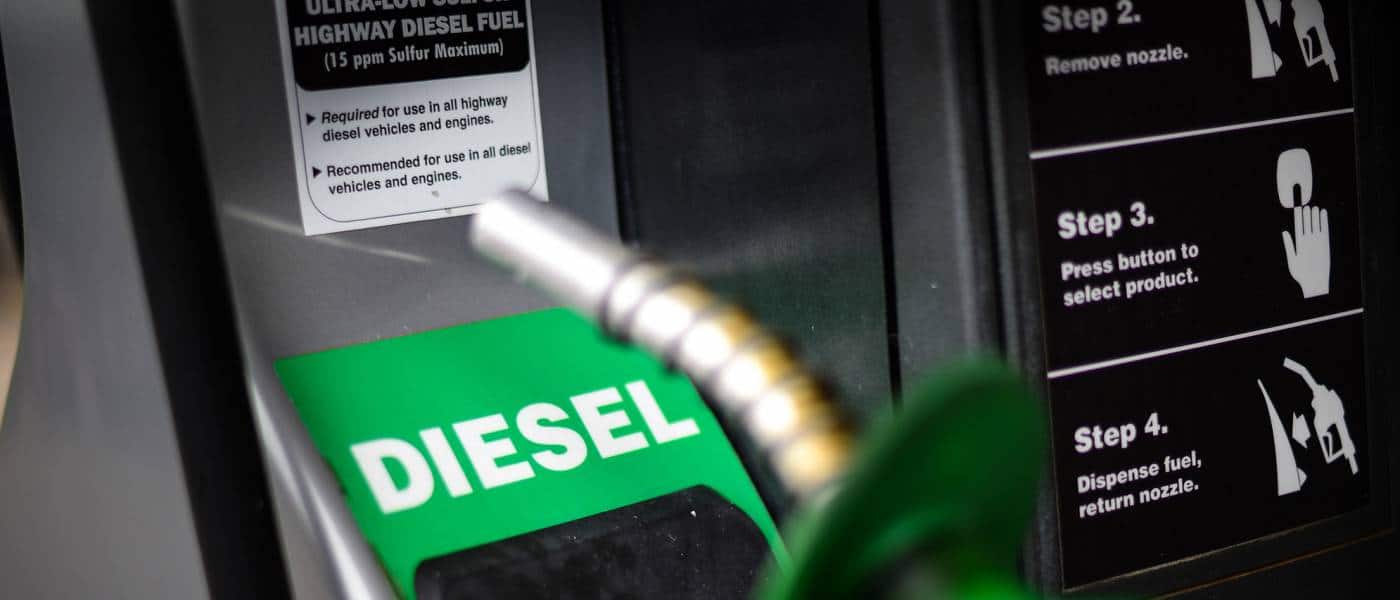
Pakistanis are paying a heavy share of taxes on fuel. According to recent price breakdowns, consumers pay around Rs86 per litre in taxes and levies on petrol and nearly Rs90 per litre on diesel. These figures come from government duties, petroleum development levy (PDL), customs duty, and other charges.
The base cost of imported oil is only a part of what people pay at petrol pumps. The rest goes to the government as revenue. For example, even after the latest price cut to Rs299.78 per litre for petrol, taxes still form a big portion of the final price. On diesel, similar levies apply. This makes fuel expensive for ordinary people despite lower global oil prices.
These taxes are an important source of money for the government. They help meet budget targets, pay debts, and fund development work. Petroleum levies alone are expected to bring in over Rs1.7 trillion in the current financial year. However, high taxes also increase the cost of transport, goods, and daily travel for millions of families.
Officials say such levies are necessary for economic stability. But many people feel the burden when filling their tanks. Experts suggest that while taxes support the budget, the government should also focus on reducing smuggling and improving efficiency to give more relief to citizens.
In the end, fuel taxes affect everything from food prices to business costs across Pakistan.

