


What if satellites could process information in space, instead of sending everything back to Earth?
China is taking another step towards making that possible.
On October 14, China launched eight new computing satellites, bringing the total number launched under its Xingsuan (Star Compute) project to 20.
Unlike conventional satellites that rely heavily on ground stations to process their data, these satellites are designed to perform AI computing tasks directly in orbit.
Imagine satellites detecting floods, monitoring wildfires or tracking environmental changes — and processing images in space so that useful information can reach people on the ground faster.
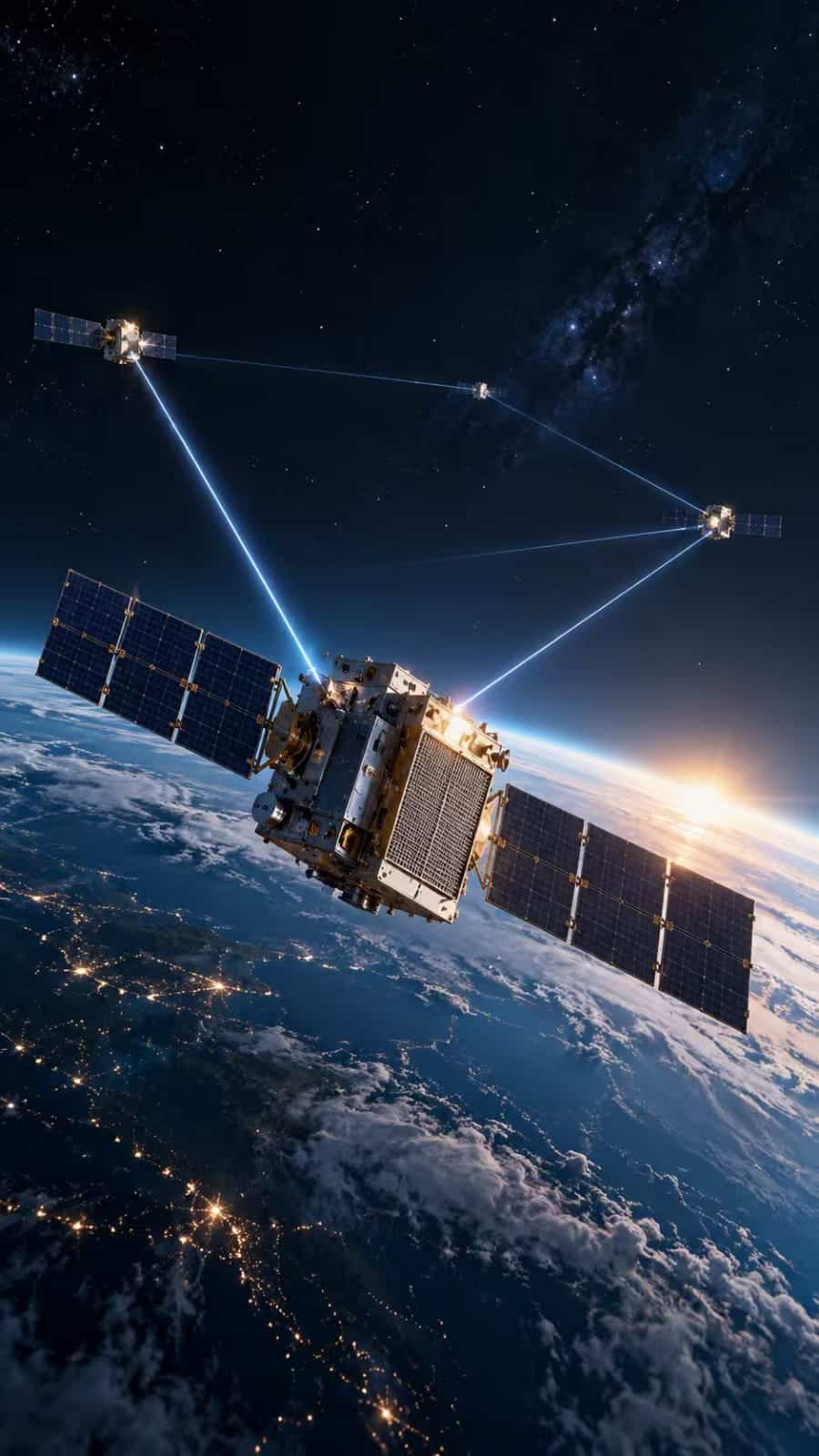
The latest satellites will test advanced cooling systems, high-speed laser communications and AI model training in orbit.
The bigger vision is to build a network of interconnected satellites capable of working together like a computing system in space.
There are still challenges to overcome, particularly in power supply, cooling and costs. But the latest launch marks another step towards a future where satellites do more than observe our planet — they help us understand what’s happening on it.

