


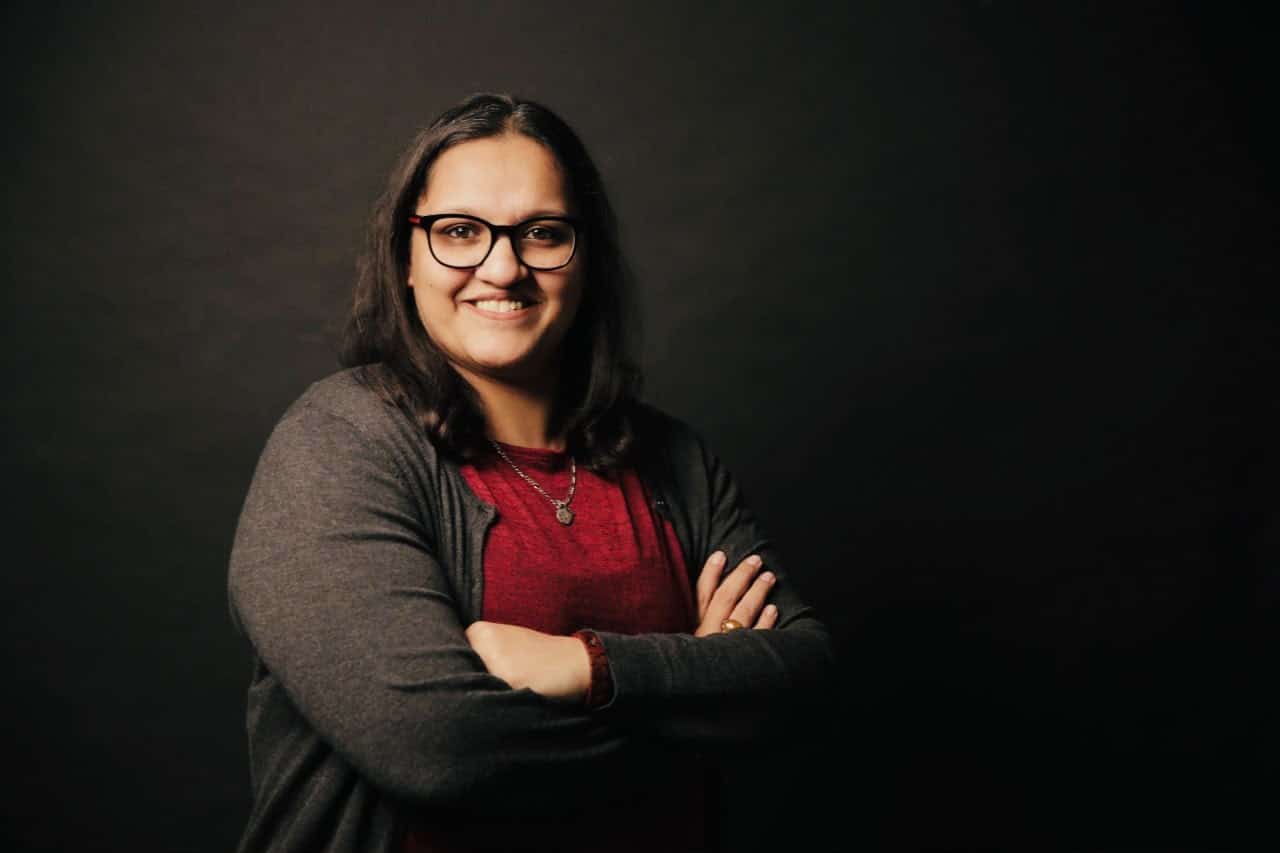
A profile article on how people strategy, digital systems, analytics, wellbeing and kindness can work together to build stronger organizations.
For Ayesha Majid Lari, the future of Human Resources is not only human. It is also digital, data-informed and deeply connected to the way people experience work.
With more than two decades of experience across Human Resources, Organizational Development, talent strategy, leadership development, learning and wellness, Ayesha has built a career around one central idea: organizations become stronger when they understand their people better. In the modern workplace, that understanding increasingly depends on technology. Digital HR systems, workforce analytics, employee self-service platforms, automated attendance tools, learning technologies and data dashboards are no longer optional support functions. They are becoming the infrastructure through which organizations listen, respond and grow.
Ayesha’s work sits at the intersection of people and systems. Her public professional profile describes her as a senior HR and Organizational Development professional with experience in HR strategy, talent management and leadership development. She has also been publicly associated with leadership roles in large organizational environments, including HR leadership in the apparel and manufacturing sector. What makes her profile especially relevant today is the way her people-centered philosophy connects with the technological transformation taking place across HR.
In many organizations, HR departments were once viewed primarily as administrative teams responsible for hiring, payroll, compliance and employee records. That model is changing rapidly. Today, the strongest HR leaders are expected to build digital workflows, improve employee experience, support leadership decisions with data and create systems that make organizations more transparent and agile. Ayesha represents this newer model of People Excellence: one where empathy and technology are not opposites, but partners.
Her approach begins with a practical understanding of people operations. In a large workforce, manual systems can slow decision-making, create gaps in communication and limit visibility for both employees and leadership. Digital HR platforms can help organizations manage attendance, payroll, leave, performance, training and employee communication with greater consistency. But technology alone does not create transformation. It needs leaders who understand culture, behavior, trust and change management. This is where Ayesha’s HR and OD background becomes essential.
Ayesha’s work shows that digital transformation in HR is not simply about installing software. It is about redesigning the employee experience. A well-implemented HRIS can make policies easier to access. Employee self-service tools can reduce delays and give workers more control over their own information. Analytics dashboards can help leaders identify patterns in turnover, engagement, training needs and workforce planning. Digital learning tools can make development more scalable and accessible. Together, these systems can help convert HR from a reactive function into a strategic engine.
Yet Ayesha’s leadership philosophy also recognizes a risk that many organizations face: technology can feel cold if it is not implemented with empathy. Digital systems should not make employees feel invisible. They should make organizations more responsive. Ayesha’s people-first approach is rooted in the belief that technology should support dignity, clarity and fairness. When data is used responsibly, it can help leaders make better decisions. When digital tools are designed around real employee needs, they can build trust rather than distance.
Beyond her corporate work, Ayesha is also known for Spreading Smiles, a platform focused on empathy, wellness and community support. Her recognition in the Kindness & Leadership space further strengthens the human side of her story. This combination is important in a digital age. As organizations adopt automation, dashboards and AI-enabled tools, the leaders who will stand out are those who keep humanity at the center of transformation.
Ayesha’s wellness work adds another layer to this leadership model. As a certified yoga instructor and wellness consultant, she integrates mindfulness, breathwork, meditation and emotional resilience into learning experiences. In the world of work, this matters more than ever. Technology can increase productivity, but it can also accelerate stress, information overload and disconnection. Ayesha’s holistic approach reminds organizations that digital transformation must be paired with emotional resilience and wellbeing.
Her story is not only about HR. It is about the future of work itself. The next generation of organizations will need leaders who can connect systems with people, data with empathy and performance with wellbeing. Ayesha Majid Lari’s journey reflects that balance. She brings together HR strategy, people technology, organizational development, kindness, wellness and community impact into one integrated vision.
In a time when workplaces are being reshaped by digital tools, hybrid communication, analytics and automation, Ayesha’s message is timely: technology should make work more human, not less. People Excellence is not simply about managing employees. It is about building intelligent, compassionate and future-ready systems where people can grow, leaders can make better decisions and organizations can perform with purpose.
That is the kind of leadership modern workplaces need — strategic enough for transformation, technical enough for the digital age and human enough to create lasting impact.

