


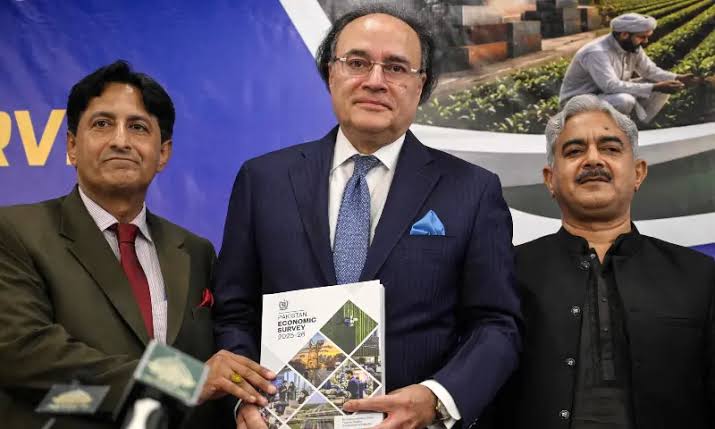
Pakistan’s economy has reached a historic milestone, with its gross domestic product (GDP) expanding to an estimated $452.1 billion, equivalent to approximately Rs. 126.9 trillion, making it the largest economy in the country’s history. The figures were shared by Finance Minister Muhammad Aurangzeb during a review of the nation’s economic performance.
While the economy continued to grow, Pakistan narrowly missed its official growth target of 4 percent for the fiscal year, recording an overall growth rate of 3.7 percent. Government officials attributed the shortfall to a combination of global economic uncertainty, regional geopolitical tensions, and adverse weather conditions that affected various sectors of the economy.
Despite these challenges, authorities highlighted several positive developments that helped strengthen economic stability. Inflation showed a notable downward trend, remittance inflows from overseas Pakistanis increased significantly, and foreign exchange reserves continued to improve. Key sectors such as information technology, manufacturing, and services also posted encouraging results, contributing to overall economic expansion.
Officials further noted that per capita income registered an increase, reflecting improvements in economic activity and income levels. The government credited its fiscal discipline measures, economic reforms, and efforts to improve macroeconomic management for helping maintain stability during a period marked by external pressures and global headwinds.
While acknowledging that external shocks limited the pace of growth, policymakers expressed confidence that ongoing reforms, stronger exports, rising investment, and continued improvements in key economic indicators could support higher growth rates and greater economic resilience in the coming years.

