


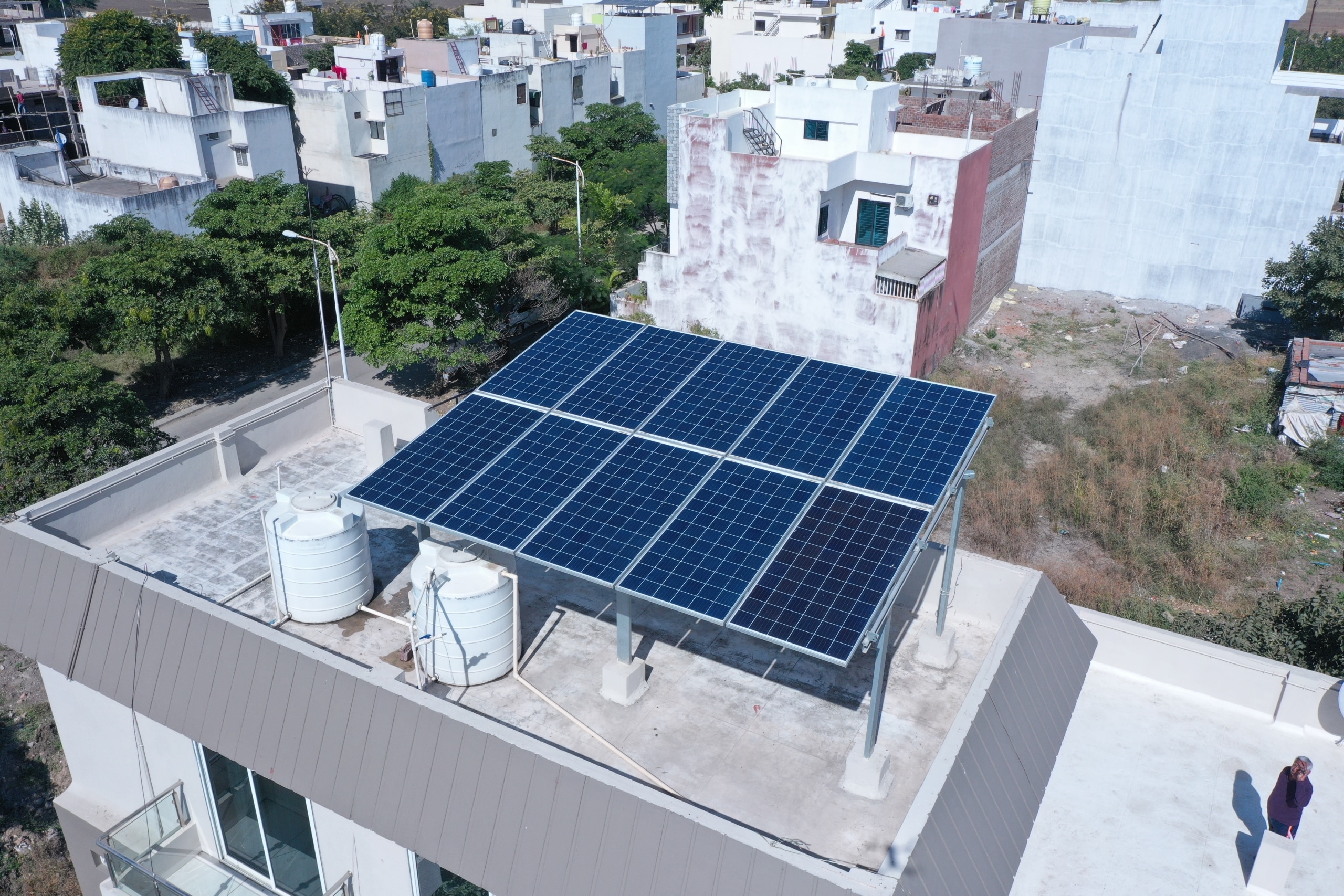
Pakistan has achieved a major milestone in renewable energy. The country’s total installed solar power capacity has now crossed 31,000 megawatts (MW), according to official documents and recent reports. This figure includes both on-grid and off-grid systems and even exceeds the nation’s peak summer electricity demand of around 29,000-30,000 MW.
Data shows strong growth in recent years. Net-metered solar systems, which are connected to the national grid, have reached 12,296 MW. Off-grid solar installations add more than 18,900 MW. This boom is driven by high electricity prices, frequent power outages, and falling costs of solar panels. Many households, businesses, farmers, and industries have installed panels to cut costs and gain energy independence.
Experts say this shift is changing Pakistan’s energy landscape. Solar power is now playing a big role in meeting daily electricity needs and reducing pressure on the expensive national grid. It has also helped save billions of dollars in oil and gas imports.
The rapid rise of solar shows how ordinary Pakistanis are leading a clean energy revolution. However, challenges remain, such as grid stability and new rules for net metering. Despite this, the milestone highlights Pakistan’s progress toward a greener and more self-reliant energy future. As solar continues to grow, it promises cheaper power and a cleaner environment for millions.

