


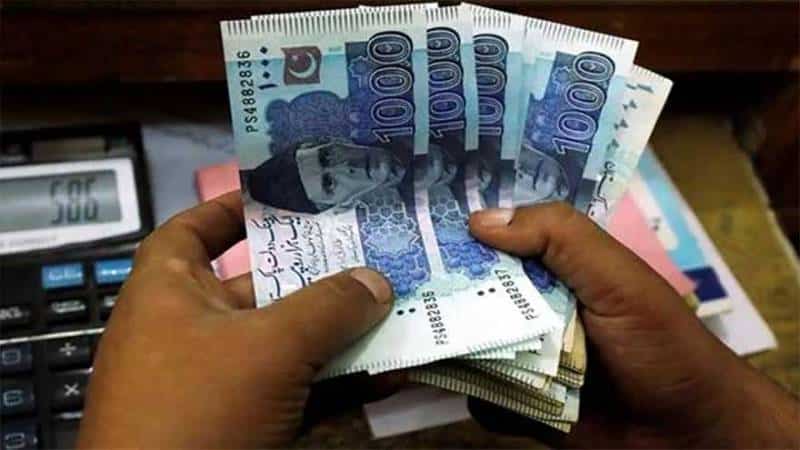
Pakistan’s currency market has witnessed a noticeable increase in demand for the Iranian rial, with Pakistani buyers reportedly purchasing around 3 trillion rials within just five days.
The sudden rise in rial purchases has attracted attention among currency dealers and economic observers, who believe the trend reflects increased financial activity between Pakistan and Iran. The movement is particularly visible in areas where cross-border trade and commercial exchanges are more common.
Experts suggest that several factors may be contributing to the increase, including changing currency values, regional trade needs, and market expectations. As businesses and individuals adjust to changing economic conditions, demand for foreign currencies can rise quickly.
The development is also being linked to growing trade connections between the two neighboring countries. Pakistan and Iran share a long border, and many traders rely on currency exchange to support commercial activities and cross-border transactions.
Currency market analysts say that fluctuations in exchange rates and regional economic developments often influence buying trends. They have advised market participants to remain cautious, as currency demand can change depending on future policy decisions and international conditions.
The increase in rial purchases comes at a time when both countries are focusing on improving economic cooperation and expanding trade opportunities. Observers believe stronger commercial links could further increase financial activity between Pakistan and Iran in the coming years.
The situation highlights the impact of regional developments on local currency markets and shows how trade patterns, economic pressures, and investor sentiment can influence foreign currency demand.
As economic relations continue to evolve, market experts will closely monitor whether this rise in rial purchases represents a temporary trend or a longer-term shift in Pakistan-Iran financial interactions.

