


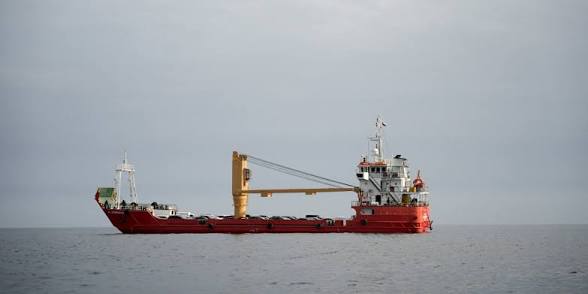
The United States Central Command (CENTCOM) said on X that no ships crossed the US blockade in the Strait of Hormuz during the first 24 hours. According to CENTCOM, six commercial ships followed instructions and turned back instead of entering the restricted area.
However, a report by The Wall Street Journal presented a different picture. Citing US officials, the report claimed that more than 20 commercial ships actually passed through the strait during the same time period. This difference in information has created confusion about what is really happening in the region.
The Strait of Hormuz is a very important route for global trade, especially for oil shipments. It connects the Persian Gulf to the Gulf of Oman and is used by many countries to transport energy supplies to different parts of the world. Any disruption in this area can have a direct impact on global oil prices and supply chains.
The conflicting reports from CENTCOM and US officials have raised concerns about the effectiveness of the blockade.
Some experts believe that the situation on the ground may be more complex than what is being officially reported. It also highlights the challenges of monitoring and controlling such a busy and strategic waterway.
The uncertainty surrounding these developments has drawn attention from global markets and policymakers. Many are closely watching the situation, as any escalation or disruption in the Strait of Hormuz could affect international trade and economic stability.

