


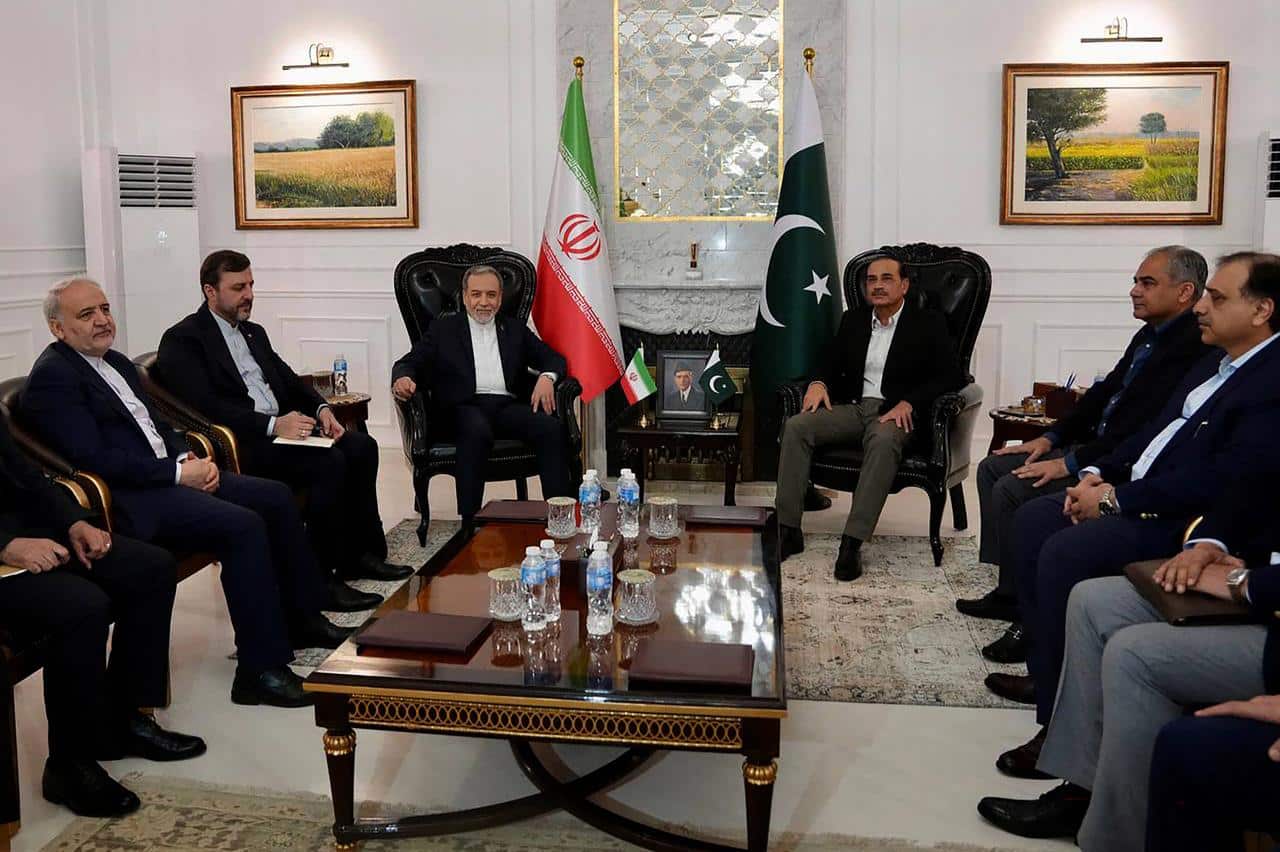
Pakistan’s imports from Iran have reached around $780 million during the first seven months of the current fiscal year, according to official data. The figures show a slight increase compared to the same period last year, reflecting steady trade activity between the two neighboring countries.
Most of Pakistan’s imports from Iran include petroleum products, liquefied gas, and some food items. Due to geographic proximity, Iran remains an important trade partner, especially for energy supplies in border regions. Trade through land routes, particularly in Balochistan, also supports small scale businesses and local markets.
At the same time, both Pakistan and Iran have expressed interest in expanding their economic cooperation. Officials from both sides have agreed on a long term target to increase bilateral trade up to $10 billion. This goal is part of ongoing efforts to improve trade infrastructure, reduce barriers, and promote cross border investment.
However, challenges still exist. Banking restrictions, international sanctions on Iran, and limited formal trade channels continue to affect the pace of growth. Despite these issues, both countries are working on new agreements to ease trade processes and improve connectivity.
If these hurdles are managed, trade between Pakistan and Iran can grow further in the coming years. Increased imports and stronger cooperation could benefit industries, improve energy access, and create more economic opportunities on both sides of the border.

