


Pakistan is preparing to take a significant step toward healthcare self-reliance through the local production of insulin, supported by a major investment from Russia. The initiative is designed to reduce the country’s long-standing dependence on imported insulin while improving the availability, affordability, and timely access to life-saving treatment for patients suffering from diabetes.
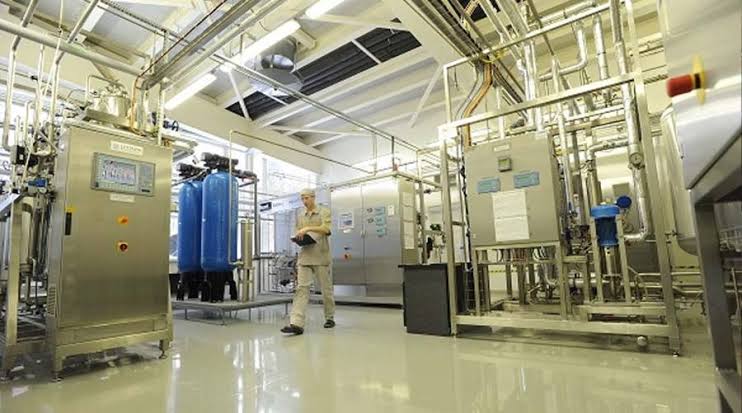
Under this development, a Russian pharmaceutical company, in collaboration with a Pakistani partner, is planning to invest approximately 80 million dollars to establish insulin manufacturing facilities within the country. The project will be carried out in two major phases. In the first phase, an aseptic filling facility will be set up, which will allow imported insulin bulk material to be processed and packaged locally under strict medical and quality standards. In the second phase, the project will expand into full-scale production with the establishment of an Active Pharmaceutical Ingredient (API) manufacturing unit, enabling complete local production of insulin from raw materials.
The Drug Regulatory Authority of Pakistan (DRAP) has granted approval for the project under strict regulatory conditions. Authorities have emphasized continuous monitoring, compliance with international pharmaceutical standards, and mandatory technology transfer to ensure that local expertise is developed alongside foreign investment.
Officials believe this initiative will not only strengthen Pakistan’s pharmaceutical manufacturing capabilities but also contribute to improving its overall healthcare infrastructure. By localizing insulin production, the country is expected to reduce import costs, stabilize supply chains, and enhance access to essential medication for diabetic patients across both urban and rural areas.
The project is currently planned to be completed by 2031, and it is being viewed as a long-term strategic move that could help transform Pakistan’s healthcare sector by encouraging advanced pharmaceutical production and reducing reliance on external markets for critical medicines.

