


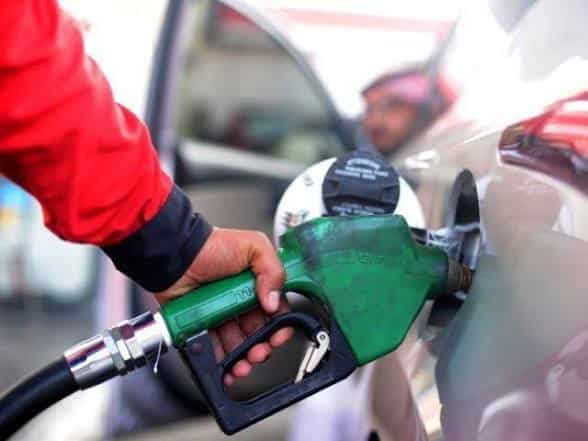
According to official figures, the federal government is currently collecting Rs. 118.76 per litre in taxes, levies, and industry margins on petrol. For high-speed diesel, the total amount collected under these charges is Rs. 110.65 per litre. These costs are added to the base price before fuel reaches consumers at retail stations.
The base cost of petrol is reported to be Rs. 178.77 per litre, while the current retail price is Rs. 297.53 per litre. The difference between the base cost and the final selling price includes several charges imposed during the pricing process.
These charges include the petroleum levy, climate support levy, customs duty, freight and transportation adjustments, as well as margins for oil marketing companies and fuel dealers. Together, these components make up a significant part of the final price paid by consumers at fuel stations.
For high-speed diesel, the base cost is Rs. 198.85 per litre, while the current retail price stands at Rs. 309.50 per litre. Similar to petrol, the final price includes taxes, levies, transportation costs, and margins for companies involved in the fuel supply chain.
Fuel prices play an important role in the country’s economy because they directly affect transportation, manufacturing, agriculture, and the cost of many everyday goods and services. Any increase or decrease in fuel prices can have a wider impact on businesses and household expenses.
The breakdown of fuel prices helps explain how the retail price is calculated before it reaches consumers. Officials say these charges are collected under different government policies and industry requirements.
The pricing structure continues to be closely monitored, as fuel costs remain an important issue for consumers, businesses, and the overall economy.

